What Sleep Disorder Dentists in Boston See That Labs Often Miss
Why a Sleep Disorder Dentist May See What Labs Miss
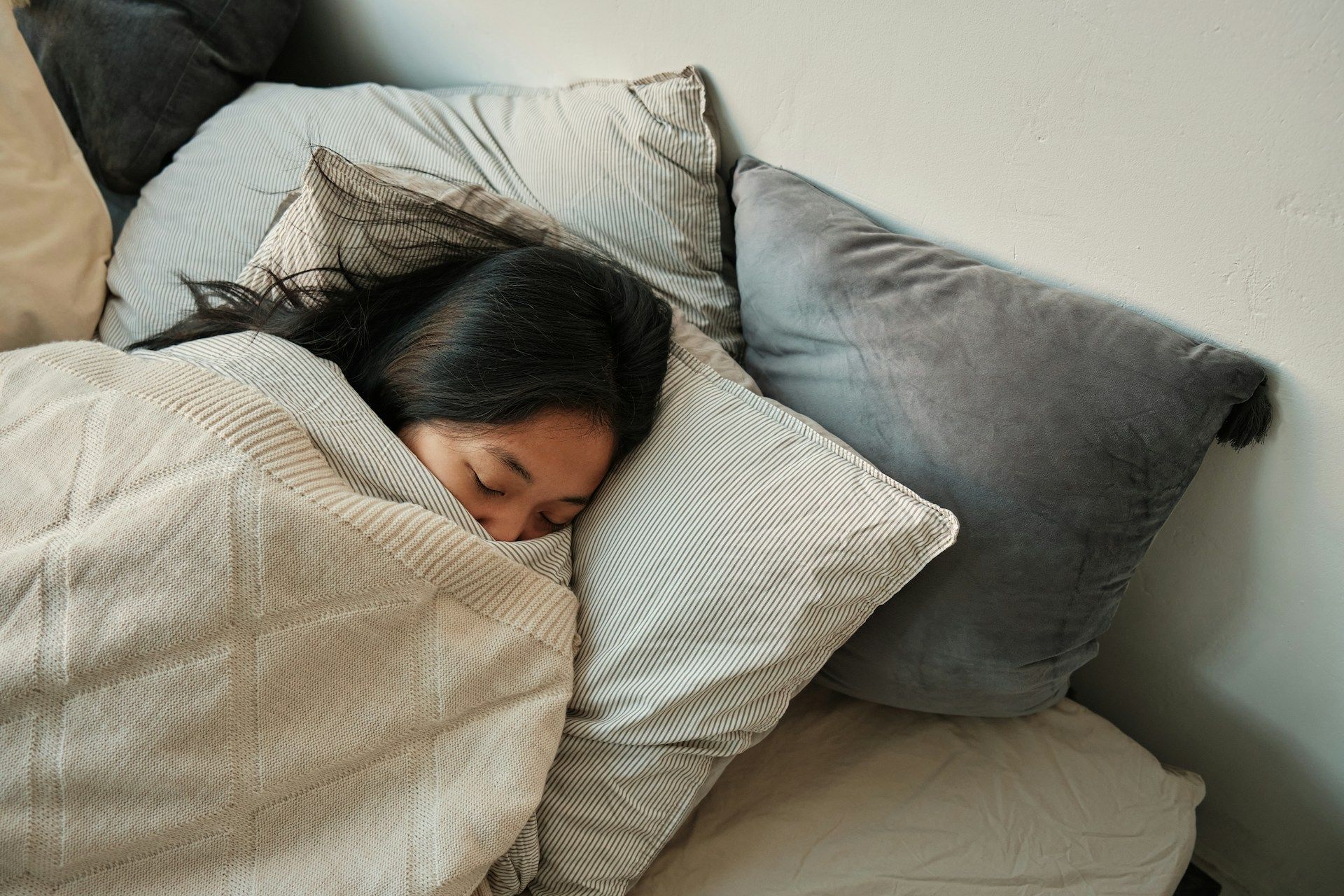
Many people in the Boston area complete a sleep study, get told their apnea looks mild or borderline, then still wake up wiped out. They may keep snoring, wake with a dry mouth, or fight a pounding headache most mornings. The numbers on the sleep report say one thing, but their body says something very different.
That gap is where a sleep disorder dentist can help. Sleep labs are very good at tracking breathing events and oxygen levels while you sleep. A dental sleep medicine provider looks at the part of your body that the lab cannot see in detail: your mouth, jaw, teeth, and tongue. By putting both views together, it becomes easier to understand what is really going on with your sleep and why you still feel so tired.
Where Sleep Labs Excel and Where They Fall Short
Overnight sleep studies and home sleep tests are important tools. They give your medical team hard data about what happens while you sleep. These tests often measure:
- Breathing pauses and shallow breaths
- Oxygen levels and heart rate
- Sleep stages and how often you wake up
- Limb movements and snoring patterns
The problem is that these tests are usually done for only one or a few nights. You might sleep on your back in the lab, even though you usually end up on your side at home. The room is different, the bed is different, and the wires and sensors can make it hard to relax. All of that can change how your airway behaves.
On top of that, most sleep labs do not study your bite, jaw joints, tongue posture, or the shape of your upper and lower arches in any detail. They focus on what happens after the airway narrows or collapses, things like drops in oxygen or brief awakenings. They do not always ask why the airway is so vulnerable in the first place or how your mouth and jaw structure may be adding to the problem.
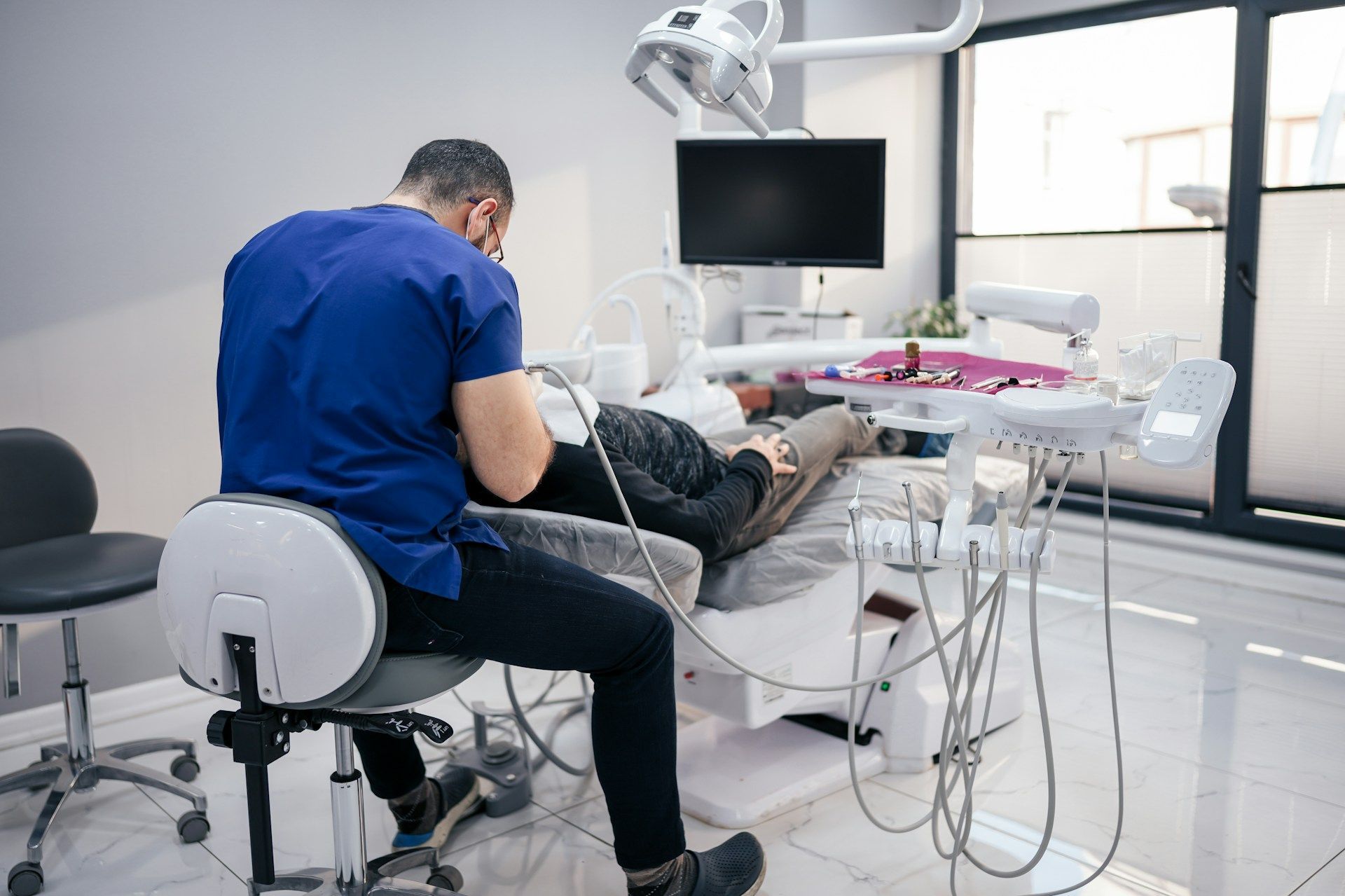
A sleep disorder dentist in Boston looks at those missing pieces. We pay close attention to how your airway is built and how your mouth and jaw work together, which can explain why your sleep study results do not match how you actually feel.
How a Sleep Disorder Dentist Reads the Mouth Like a Map
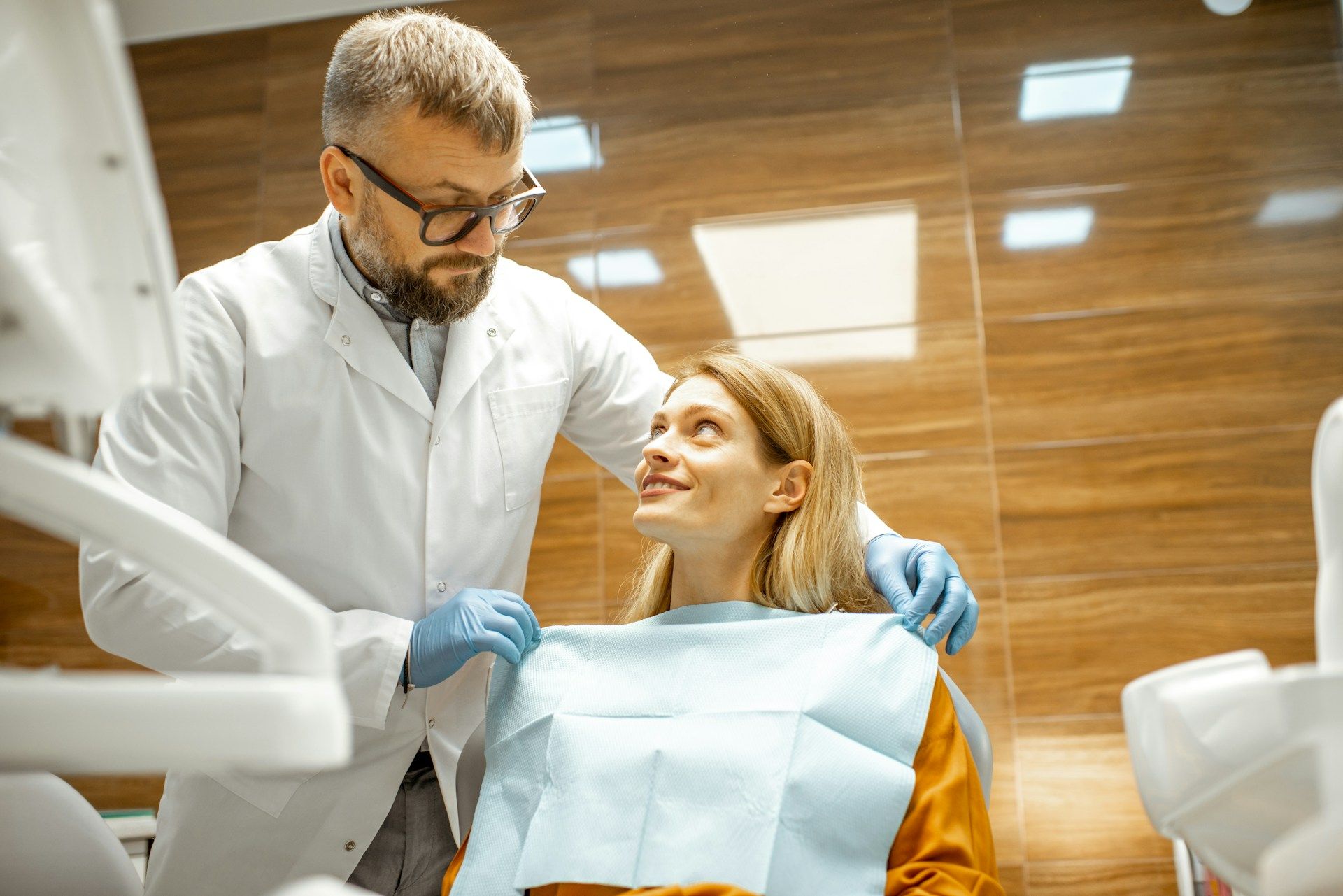
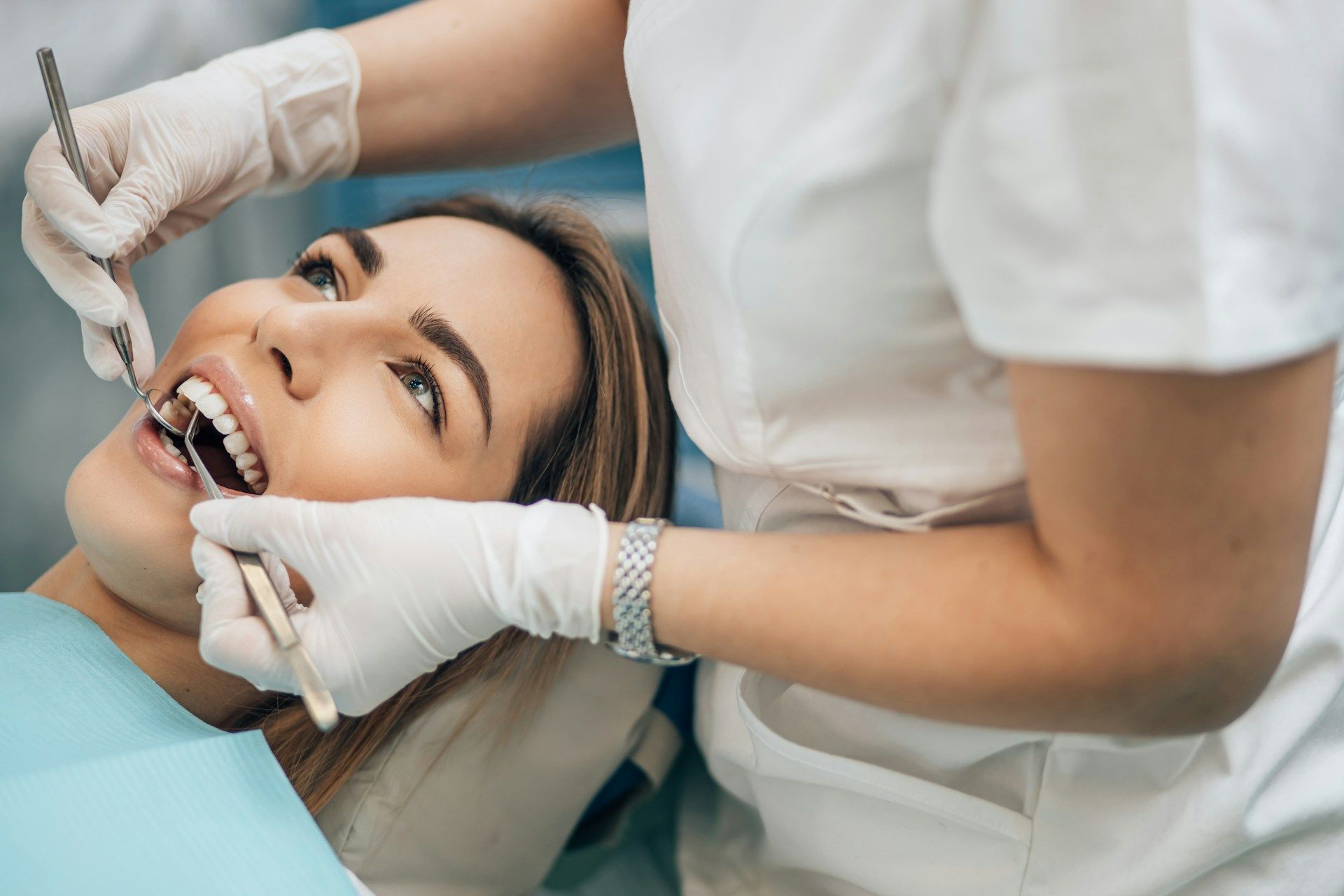
For us, your mouth is like a map of your nighttime breathing. Small clues can point to hidden sleep issues. During a dental sleep evaluation, we look for things like:
- Flattened or worn-down teeth that may come from grinding
- Scalloped edges along the sides of the tongue from pressing against the teeth
- Narrow arches or crowded teeth that reduce room for the tongue
- Mouth breathing patterns that dry out the tissues
- Red or irritated throat tissues that may show vibration from snoring
We also look closely at how your upper and lower jaws fit together. If the lower jaw sits too far back, it can pull the tongue toward the throat and shrink the airway space. A small or retruded lower jaw does not always show up clearly on a sleep lab report, but it can be a major reason for snoring or sleep apnea.
At Great Sleep Dental, we focus on jaw position, tongue posture, and how the teeth come together when you close your mouth. By reading these patterns, we can often explain why someone with only mild apnea on paper feels completely exhausted, or why a person with a “negative” sleep study still snores loudly. That same information also guides how we design a custom oral appliance, so it actually opens your airway instead of just changing your bite.
Subtle Daytime Clues Dentists Connect to Nighttime Sleep
Sleep problems do not only show up at night. They leak into your day in ways that are easy to blame on stress, age, or a busy schedule. A sleep disorder dentist in Boston is trained to connect those dots.
Common daytime clues include:
- Morning headaches or facial pressure
- Jaw soreness or clicking in the jaw joints
- Stiff neck and shoulder tension after sleep
- Chipped, cracked, or broken teeth with no clear cause
- Dry mouth, sore throat, or a need for water by the bed
Many people think they are just “grinders” from stress, especially during busy travel seasons or long workdays. But grinding and clenching often go hand in hand with airway trouble. When the airway starts to narrow, the body may clench the jaw in an attempt to open it. That can wear down teeth, strain the jaw joints, and trigger headaches.
We take a careful history, ask focused questions about your sleep and your days, and match those answers with what we see in your mouth. When your sleep study looks mild but you feel anything but mild, this broader view can finally make the picture make sense.
Beyond CPAP Customized Oral Appliance Options
CPAP can be a helpful tool for many people with sleep apnea, but it is not the only option. A sleep disorder dentist works with your physician to read your sleep study and then looks for ways to support your airway using your jaw position.
Custom oral appliances are small devices that fit over your teeth. They gently move the lower jaw forward to help keep the airway more open while you sleep. Compared to CPAP machines, they can be easier to live with in many everyday situations, including:
- Travel, since they fit in a small case
- Sleeping in different locations, like a guest room or hotel
- Warm nights when a mask and hose may feel uncomfortable
- Sharing a room with others, since there is no machine noise
At Great Sleep Dental, we do not stop after giving you a device and sending you home. We fine-tune the appliance across several visits, adjusting it based on your symptoms and, when needed, follow-up sleep testing. Our goal is not just a nice-looking dental device, but real changes in snoring, breathing events, and how you feel when you wake up.
Take the Next Step Toward Restful Nights in Boston
If you live in the Boston area and your sleep lab results do not match how tired you feel, it might be time to add a different point of view. A sleep disorder dentist can review your sleep study, then look closely at your mouth, jaw, and airway to uncover what the numbers may have missed.
Great Sleep Dental focuses on diagnosing and treating snoring and sleep apnea with custom oral appliances and CPAP alternatives. By pairing your existing test results with a careful dental sleep evaluation, we work to find answers for people who are still searching for real rest. Better sleep is more than just a score on a page; it is about waking up clear-headed, with less pain, and finally feeling ready for the day.
Take The First Step Toward Restful, Restorative Sleep
If you are struggling with snoring, fatigue, or possible sleep apnea, we are here to help you find answers and relief. As a trusted
sleep disorder dentist in Boston, Great Sleep Dental focuses on comfortable, non-surgical solutions tailored to your needs. Schedule a consultation so we can review your symptoms, coordinate with your sleep physician if needed, and build a clear treatment plan together. To get started, simply
contact us and our team will help you book a convenient appointment.