Choosing a Sleep Disorder Specialist in Boston After CPAP Failure
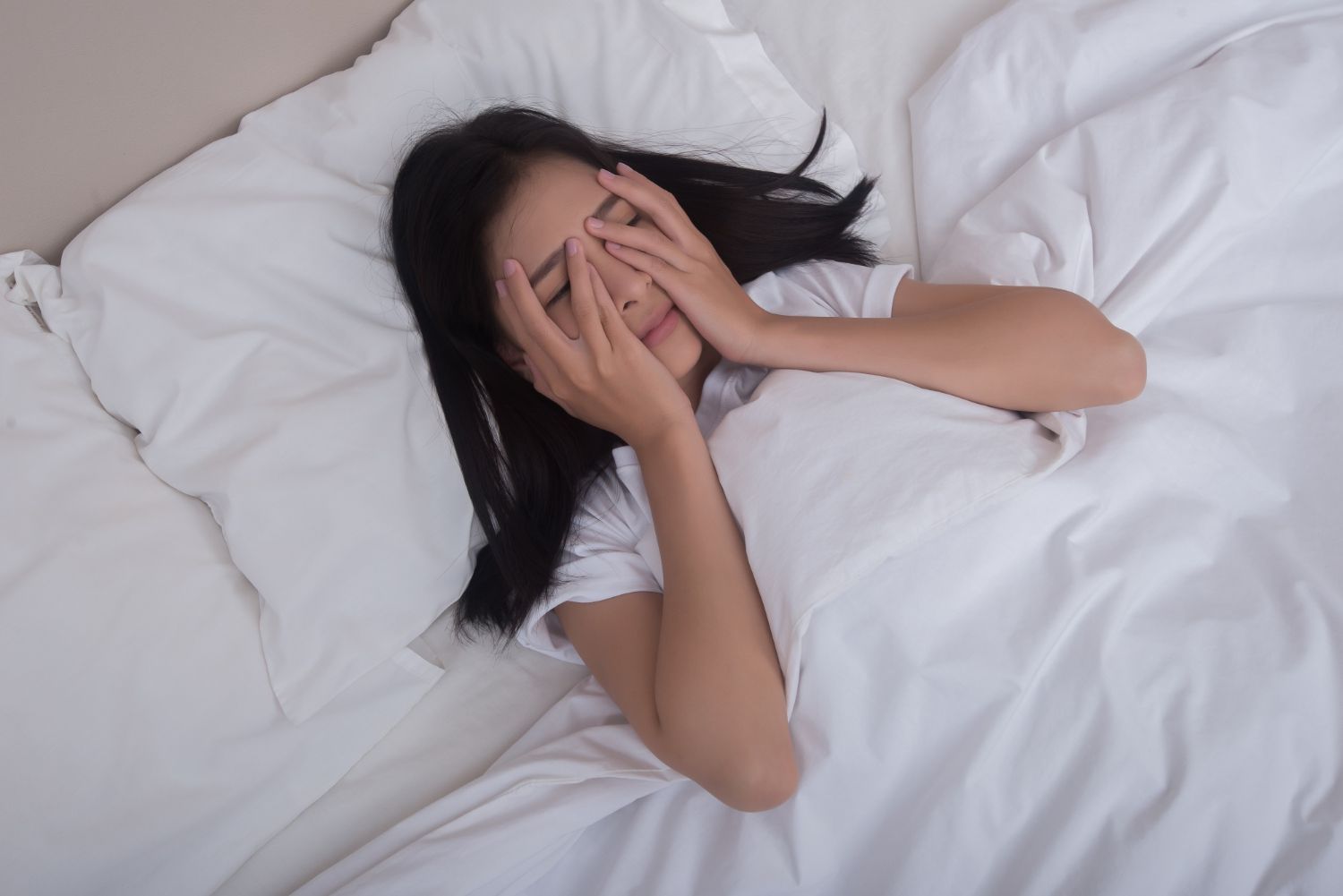
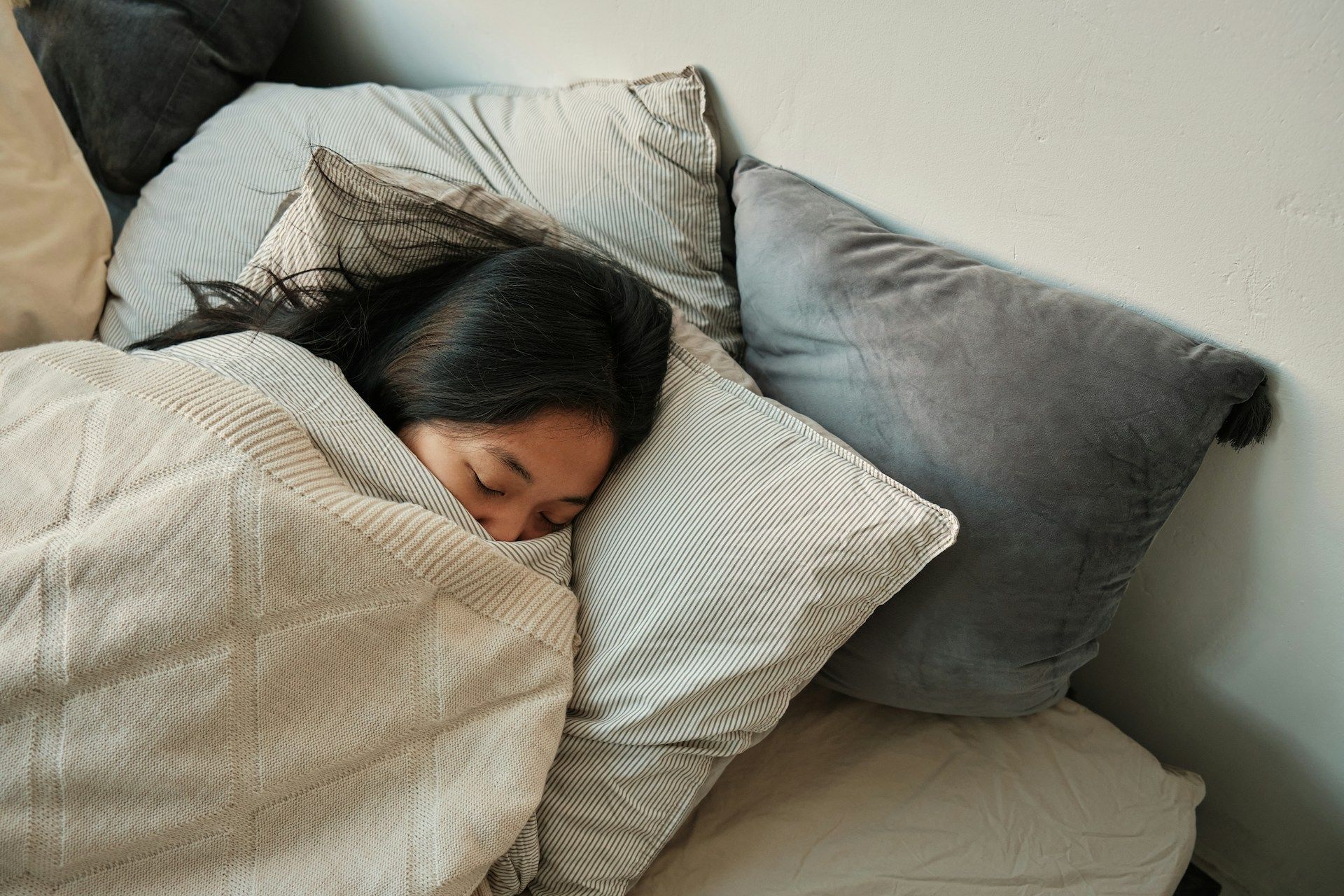
When CPAP is not working, it can feel like you are out of options. You may be tired of the mask, the noise, the dry mouth, and the constant packing and unpacking for work trips or weekend getaways. Still, you know that snoring, gasping, and poor sleep are not something you can ignore.
We wrote this to help you understand what to do next. We will walk through signs that CPAP is not doing its job, what makes a true dental sleep disorder specialist different, why dental sleep medicine can be a strong next step, and how to choose a dental sleep disorder specialist in Boston who can support you after CPAP has failed.
When CPAP Is Not Working, You Still Have Options
CPAP can be hard for many people, especially busy Boston commuters and professionals. Late nights, early alarms, and long days do not mix well with equipment that feels bulky or awkward. It is common to feel frustrated or guilty when you cannot keep the mask on.
You are not stuck with that feeling. Untreated sleep apnea does not have to be your future. Newer oral appliances and modern sleep testing give many patients a way to control symptoms without a mask or machine.
The key is finding the right person to guide you. Choosing a focused dental sleep disorder specialist in Boston can help you move past the idea of “just living with it” and toward a safer, more comfortable plan.
Signs It Is Time to Reconsider Your CPAP Plan
Sometimes CPAP fails in obvious ways. Other times, the signs are easier to miss. Common problems include:
- Mask leaks that wake you or your partner
- Pressure marks or skin irritation on your nose or cheeks
- Dry mouth, sinus pressure, or stuffy nose
- Feeling trapped or claustrophobic with the mask on
- Waking up and finding the mask on the floor or in your hand
There are also health and lifestyle warning signs that your sleep apnea is still a problem, even if you are using CPAP part of the night. These can include:
- Ongoing loud snoring, even through the mask
- Morning headaches or sore throat
- Daytime sleepiness that makes meetings, classes, or driving hard
- Trouble focusing, remembering details, or staying patient
- Blood pressure that is hard to control, along with fatigue
As summer winds down and schedules shift, sticking with CPAP can be even harder. Travel, weekend trips, and changing school or work routines often mean:
- Forgetting equipment or parts
- Less time for sleep, so every minute feels precious
- More stress, which makes any discomfort harder to tolerate
If this sounds familiar, it may be time to look at other treatment options before the shorter, darker winter days add another layer of fatigue.
What Sets a True dental sleep disorder specialist Apart
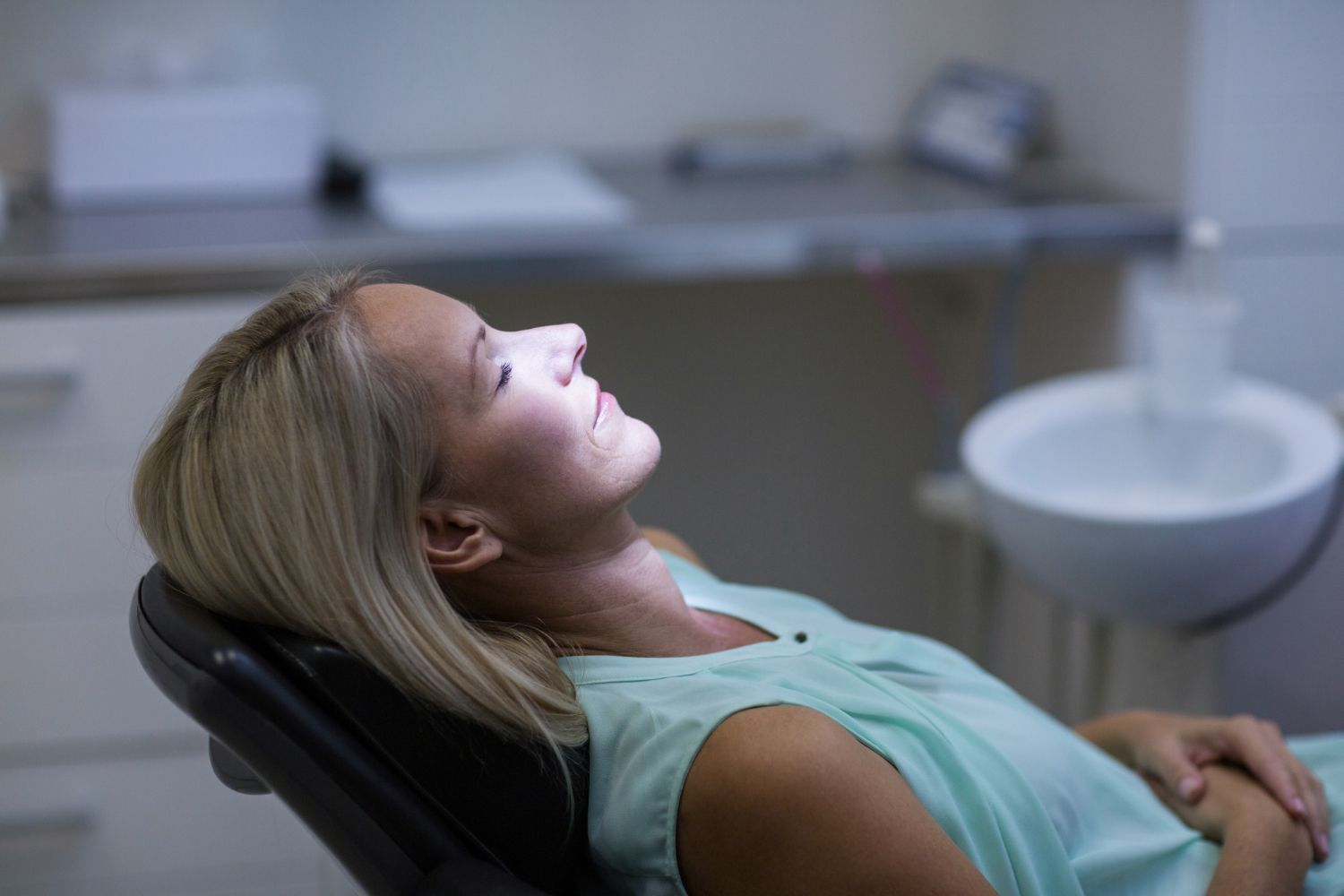
A true dental sleep disorder specialist is not the same as a general dentist or a primary care provider. This type of clinician focuses on sleep-related breathing disorders like snoring and obstructive sleep apnea and has extra training in how sleep and the airway work together.
When you are looking for a dental sleep disorder specialist in Boston, it can help to look for someone who:
- Focuses on sleep-related breathing problems, not just general dental care
- Has advanced training in dental sleep medicine and sleep physiology
- Is familiar with both CPAP and CPAP alternatives
A dedicated dental sleep disorder specialist should also have a clear plan for diagnostics. That often includes:
- Coordinating home sleep testing when needed
- Working with board-certified sleep physicians to confirm diagnosis
- Making sure you have follow-up testing to see if treatment is working
The right specialist should use evidence-based protocols, track your progress over time, and keep your broader medical team informed. Clear communication with your primary care doctor and any sleep physician is an important part of safe care.
Why Consider Dental Sleep Medicine After CPAP Failure
Dental sleep medicine focuses on using custom oral appliances to treat snoring and obstructive sleep apnea. These devices fit over your teeth, a bit like a retainer. They gently change the position of your lower jaw and tongue so your airway can stay more open while you sleep.
For many Boston-area patients, oral appliances can fit real life better than a machine and mask. They are:
- Quiet, which is helpful in small apartments or shared spaces
- Compact, so they are easier to use on flights, trains, and road trips
- Simple to pack, so you do not need to lug a machine every time you travel
A well-trained dental sleep disorder specialist who practices dental sleep medicine should do more than hand you a device. The process should include:
- Careful review of your medical history and sleep study results
- A custom appliance that fits your bite and airway structure
- Step-by-step adjustments over time so you balance comfort and effectiveness
This kind of focused approach helps make sure your oral appliance is not just comfortable, but actually helping control your sleep apnea.
How to Evaluate Boston Specialists and Ask the Right Questions
When you start looking for a dental sleep disorder specialist in Boston, it can feel like a lot of information all at once. A few key questions can help you see if a clinic is the right fit for you:
- What training do you have in dental sleep medicine and sleep apnea?
- How many patients with obstructive sleep apnea do you treat?
- Do you work with board-certified sleep physicians for diagnosis and follow-up?
- How do you handle follow-up sleep testing after starting an oral appliance?
Practical details matter too, especially in and around Boston:
- Is the office easy to reach by car or public transportation?
- Do they offer early morning or later afternoon appointments to fit work and school schedules?
- Do they support long-term follow-up, not just a one-time visit?
When you visit or call a clinic, pay attention to how they handle your history. A thoughtful practice will:
- Ask about your CPAP experience in detail
- Review prior sleep studies rather than repeating everything without reason
- Use digital scans or impressions for a precise appliance fit
- Explain how they handle insurance, and when medical or dental benefits may apply
This kind of organized, patient-centered approach is a good sign that they are ready to help you through the full course of treatment, not just the first step.
How Great Sleep Dental Supports Life After CPAP
At Great Sleep Dental, we focus on non-surgical, personalized treatment for snoring and sleep apnea. Our work is centered on patients who are struggling with CPAP or have stopped using it because it simply does not fit their life. Our clinic is led by Dr. Annisya Bagdonas, who practices dental sleep medicine in the Boston area.
When someone comes to us after CPAP failure, the process usually includes:
- A detailed consultation to talk through symptoms, goals, and CPAP history
- Coordination of sleep testing when needed for diagnosis or follow-up
- Custom oral appliance design based on your teeth, jaw, and airway needs
- Careful fitting and step-by-step adjustments over several visits
- Follow-up sleep studies, in coordination with sleep physicians, to confirm results
Late summer and early fall can be an ideal time to take this step. Schedules may be shifting, but there is still time to get used to an oral appliance before the holiday season and the heavier winter fatigue that can come with shorter days.
Taking action now can help you enter the colder months with a sleep plan that feels realistic, not overwhelming. When you work with a focused dental sleep disorder specialist in Boston, life after CPAP can mean quieter nights, more steady energy, and a safer path forward for you and the people who share your home.
Take The First Step Toward Better Sleep And Health
If you are ready to address snoring, sleep apnea, or restless nights, our team at Great Sleep Dental is here to help. Learn how a dedicated
dental sleep disorder specialist in Boston can evaluate your symptoms and create a personalized treatment plan. To schedule an appointment or ask questions about your options, please
contact us today.