Lifestyle Changes That Boost Results From a Sleep Apnea Oral Device
Unlock Better Sleep with Smart Daily Habits
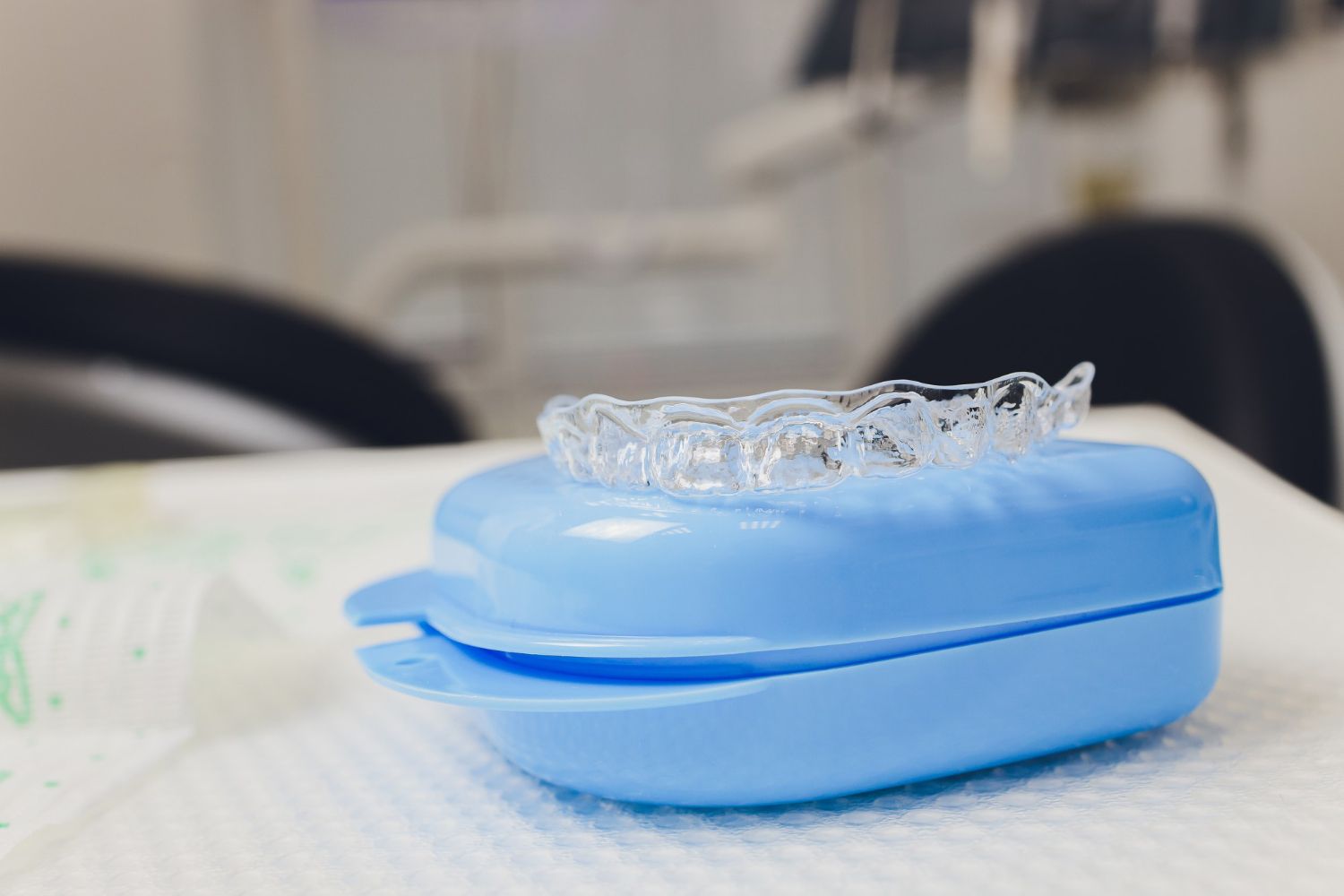
A sleep apnea oral device gently guides your lower jaw and tongue into a better position so your airway stays more open at night. This can mean quieter breathing, fewer pauses, and less snoring. For many people in the Boston area, it is a comfortable CPAP alternative that fits into real life.
The device is the base of your treatment, but your daily habits play a big role too. Small, steady changes in how you sleep, move, eat, and manage stress can make your oral appliance feel better and work more smoothly. As routines shift in late spring and summer and allergens are in the air, these habits help keep your sleep on track so you wake up more rested and clear-headed.
Support Your Airway with Healthy Sleep Routines
Your sleep apnea oral device in Boston works best when your body clock is steady. A regular sleep routine tells your brain when it is time to rest and when it is time to wake up.
Try to:
- Go to bed and get up at roughly the same times every day
- Keep your schedule steady on weekends when possible
- Give yourself enough time in bed to actually feel rested
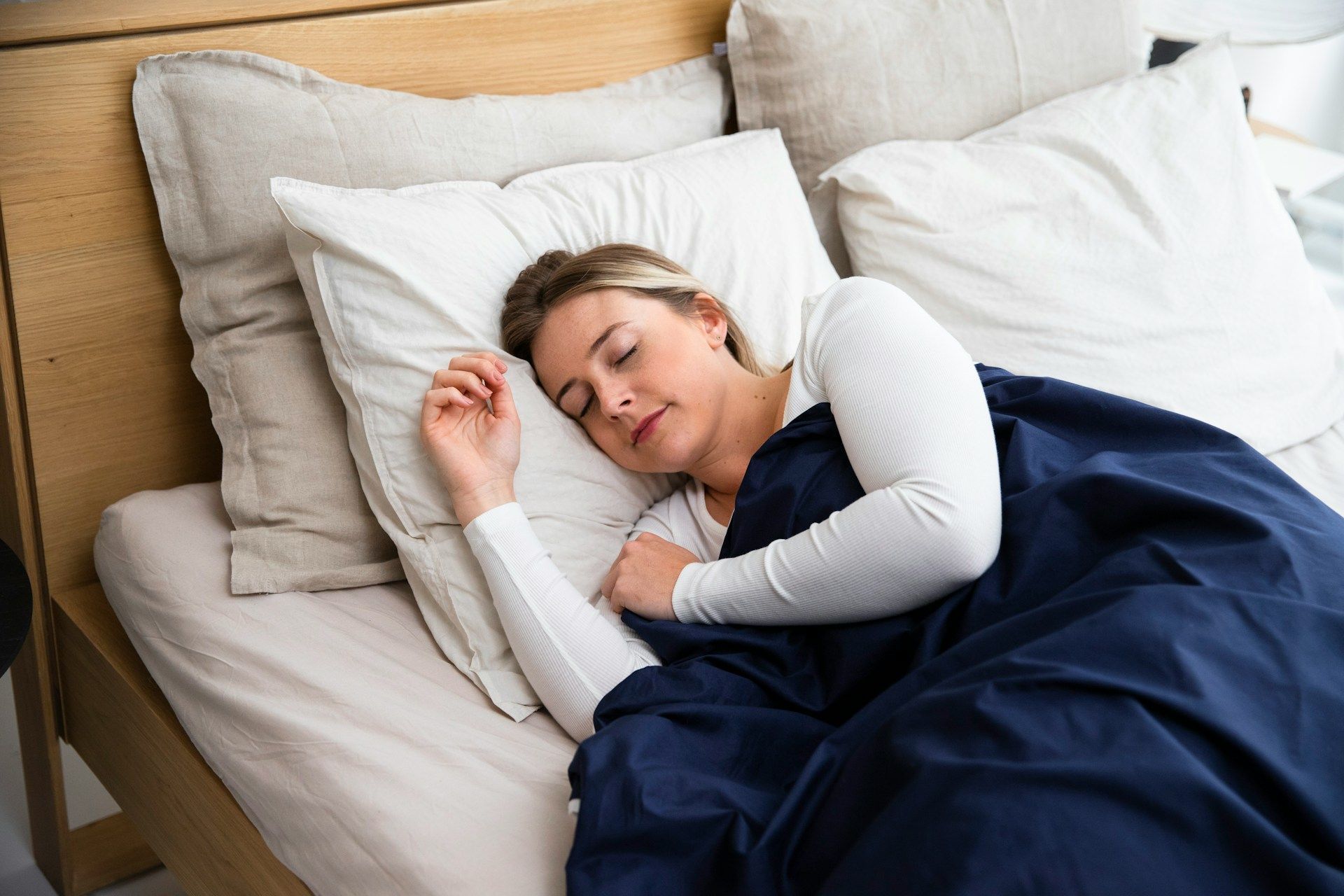
Sleep position also makes a big difference. When you lie flat on your back, gravity can pull your tongue and soft tissues backward, which narrows your airway. Side-sleeping usually keeps the throat more open so your oral device does not have to work as hard. Helpful tricks include:
- Putting a pillow between your knees to keep your hips and back comfortable
- Using a body pillow behind your back so you do not roll onto it
- Sewing or taping a tennis ball into the back of a pajama top to make back-sleeping less tempting
Your bedroom itself should support calm, steady sleep. A few simple changes can reduce nighttime wake-ups that interrupt your breathing:
- Keep the room cool, dark, and quiet
- Use blackout curtains if outside light sneaks in
- Try a fan or white noise machine to soften traffic or hallway sounds
- Limit screen use, big meals, and heavy snacks 2 to 3 hours before bed
These steps help you fall asleep more easily, spend more time in deep sleep, and let your device do its work in a stable setting.
Eat, Move, and Breathe to Ease Sleep Apnea
Your airway is surrounded by soft tissue. Extra weight around the neck and tongue can put more pressure on that space and increase the chance of collapse at night. Even modest weight loss can lower that pressure and support the work your oral appliance is already doing.
Simple eating habits that often help include:
- Focusing on whole foods like fruits, vegetables, and whole grains
- Choosing lean proteins like chicken, fish, beans, and eggs
- Limiting sugary drinks and heavy fried foods
- Avoiding large, late-night meals and snacks that sit heavy while you sleep
Daytime movement also supports better sleep. Regular walking or low-impact exercise can improve your heart and lung health and help reduce inflammation in the body. When your body feels stronger and your breathing muscles work more efficiently, your nighttime breathing usually improves too. Even short walks around your neighborhood, gentle stretching, or light cycling can be helpful if done most days.
In the Boston area, late spring and summer can bring higher pollen counts and changing humidity. Allergies and nasal congestion can force you to breathe more through your mouth, which may affect your oral device and your comfort. To keep your nose as clear as possible, you might try:
- Rinsing your nasal passages with a saline rinse if your medical provider says it is safe for you
- Working with your medical team on allergy treatment if you notice itchy eyes, sneezing, or stuffiness
- Avoiding outdoor exercise when pollen counts are highest, often early morning
- Showering and changing clothes after spending long periods outside during peak allergy days
Clearer nasal breathing can support smoother airflow and help your oral appliance feel more comfortable all night.
Protect Your Jaw and Comfort with Your Device
Your jaw joints and muscles play a big role in how your sleep apnea oral device in Boston feels. If your jaw is already sore or tight, adjusting to a new device can be harder. Certain daytime habits can strain your jaw and may trigger or worsen TMJ symptoms.
Try to be mindful of:
- Clenching or grinding your teeth when stressed or focused
- Chewing gum for long periods
- Biting fingernails, pens, or ice
- Cradling a phone between your shoulder and ear
Gentle self-care can ease tension in the jaw area, such as:
- Placing a warm, damp cloth along the sides of your face
- Doing simple neck and jaw stretches your provider recommends
- Practicing slow breathing or relaxation apps before bed
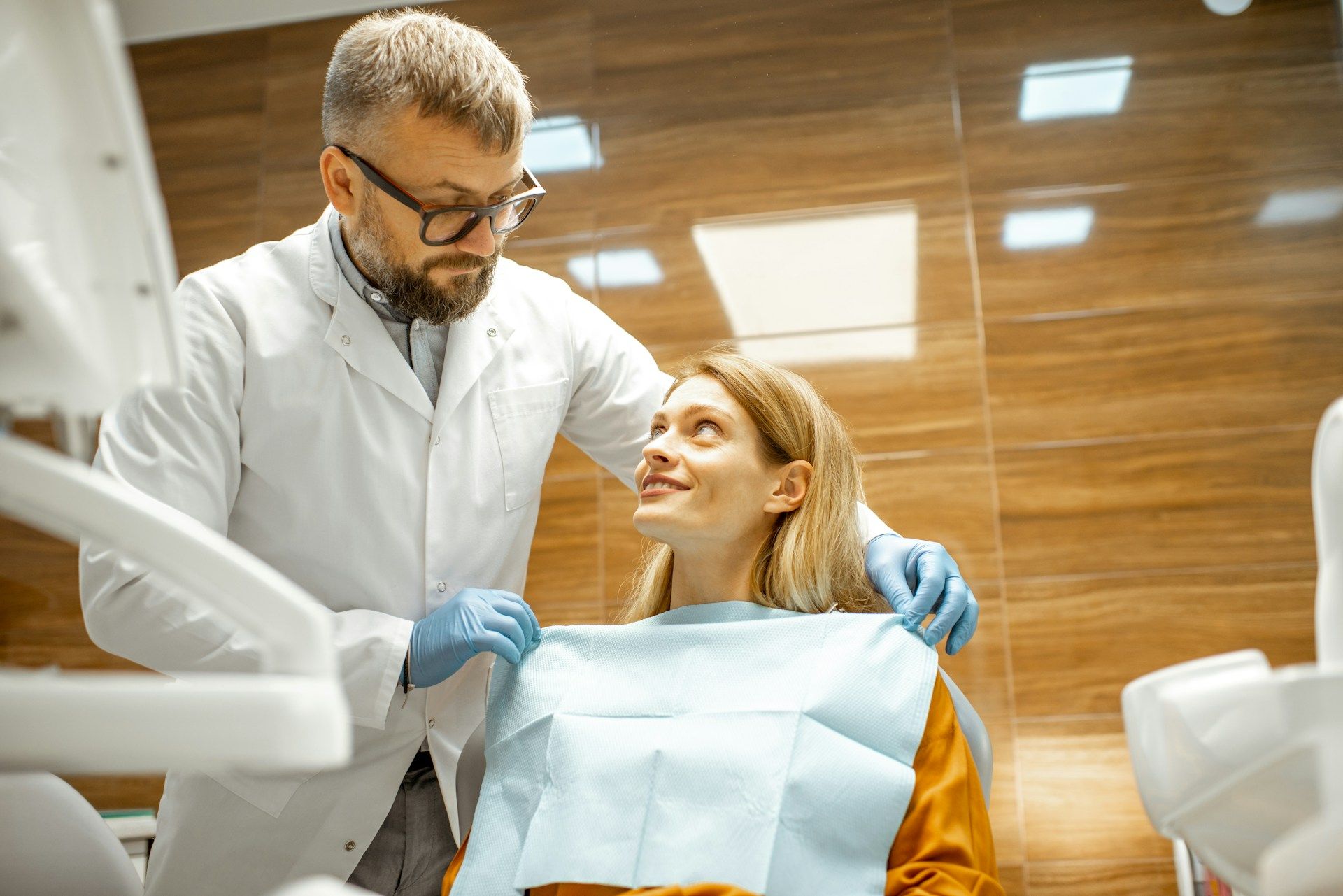
An oral appliance should be adjusted correctly so it holds your jaw in a healthy position. If it is moved too fast or too far, you might notice jaw soreness, stiffness in the morning, or bite changes. Regular follow-ups with a dental sleep specialist allow careful, gradual adjustments so your airway opens without straining your TMJ.
Pay attention to warning signs like:
- Persistent jaw pain or popping sounds when you open or close
- Frequent morning headaches or facial pain
- New clicking in your jaw joints
- Changes in how your teeth meet when you bite down
If you notice these changes, it is better to get your device checked early. Small tweaks in fit or position often resolve discomfort and protect your long-term jaw health.
Make the Most of Your Evenings and Mornings
A calm evening routine tells your brain that sleep is coming and helps you use your oral appliance consistently. Aim for a 30- to 45-minute wind-down before bed where you:
- Dim the lights
- Turn off phones, tablets, and TVs
- Do gentle stretching or light yoga
- Read a paper book or take a warm shower
Choose one moment in this routine to place your oral device, such as right after brushing your teeth. Doing the same thing every night builds a strong habit so you are less likely to forget the device when you feel tired.
It also helps to be honest about common sleep disruptors. Alcohol close to bedtime can relax the throat muscles too much and may increase apnea events and snoring. Caffeine later in the day can delay sleep and cut into your deep sleep time. Blue light from screens can interfere with your natural melatonin release and make it harder to fall asleep, even if your oral appliance is in place and working.
In the morning, a quick self-check can give you and your Boston dental sleep provider helpful clues about how things are going. You can simply ask yourself:
- How is my energy level today compared to last week?
- Do I wake up with headaches or feel groggy?
- Is my mouth very dry or sore?
- How does my jaw feel when I first wake up?
Keeping a small note on your phone or in a notebook can make it easy to spot patterns and share them during your visits.
Take the Next Step Toward Better, Safer Sleep
If you are struggling with snoring or interrupted sleep, we can help you explore whether a
sleep apnea oral device in Boston is right for you. At Great Sleep Dental, we take time to understand your symptoms and tailor a solution that fits your lifestyle and comfort. Schedule an appointment today so we can evaluate your needs and create a personalized treatment plan. If you are ready to get started, you can quickly reach our team when you
contact us.