What Boston Sleep Studies Miss Without Dental Sleep Medicine
The Hidden Gap in Boston Sleep Apnea Care
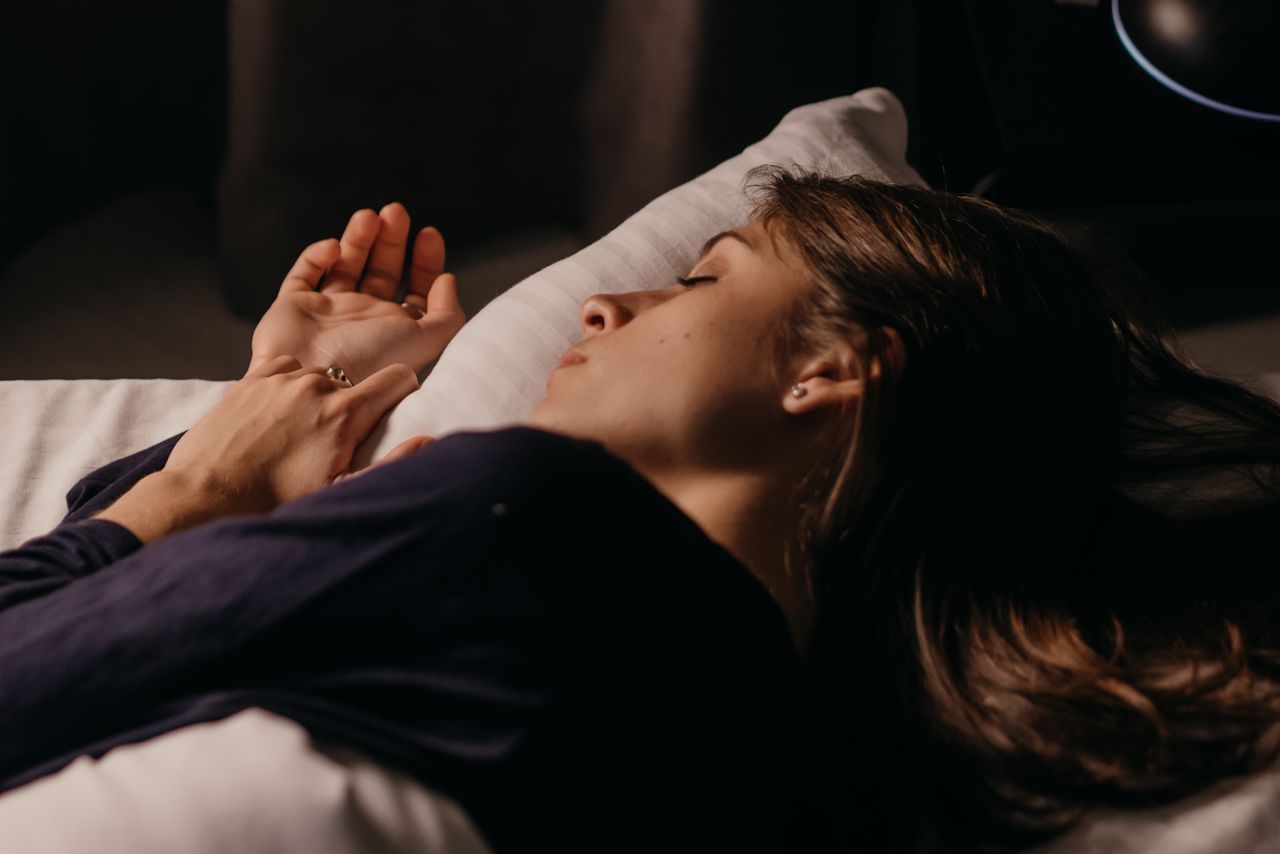
Snoring and sleep apnea often stand out more when windows are open, bedrooms are warmer, and sleep is a little lighter. Partners hear snorts and gasps, kids notice a parent stopping and starting their breathing, and families start to worry. Many people in this spot are told they need a sleep study, usually the kind that leads straight to a CPAP machine.
Traditional sleep studies are very good at proving that sleep apnea is happening. What they usually do not look at is why your airway is collapsing or how your mouth and jaw shape your breathing. That is where dental sleep medicine comes in, filling an important gap between what sleep labs measure and how you can actually stay comfortable and treated all night.
At our Boston-area practice, we see how powerful it is when medical and dental sleep care work together. When sleep physicians and dental sleep medicine providers share information, patients often get more options and better long-term results.
What Traditional Sleep Studies Really Measure
If you have had a sleep study, you know it is all about wires, sensors, and data. Whether you go to a lab or use an at-home test, the focus is on what your body does while you sleep, not on how your airway is built.
A typical sleep study tracks things like:
- Breathing pauses and shallow breaths
- Oxygen levels dropping and rising
- Brain waves and sleep stages
- Heart rate and rhythm
- Snoring sounds and patterns
These recordings help confirm obstructive sleep apnea, show how severe it is, and rule out other issues like central sleep apnea or movement problems. This information is very helpful for understanding the risk to your health.
But there are limits. The report usually answers, “Do you have sleep apnea, and how bad is it?” It rarely explains exactly why your airway collapses or which treatment you are most likely to use every single night. Many patients simply see one main line in their report: start CPAP.
For some, that works fine. For many, especially people juggling work, kids, and summer travel, the idea of a mask, hose, and machine on the nightstand feels like too much. They either never start or they stop after a short time, even though their sleep apnea is still there.
What Dental Sleep Medicine Adds That Labs Cannot See
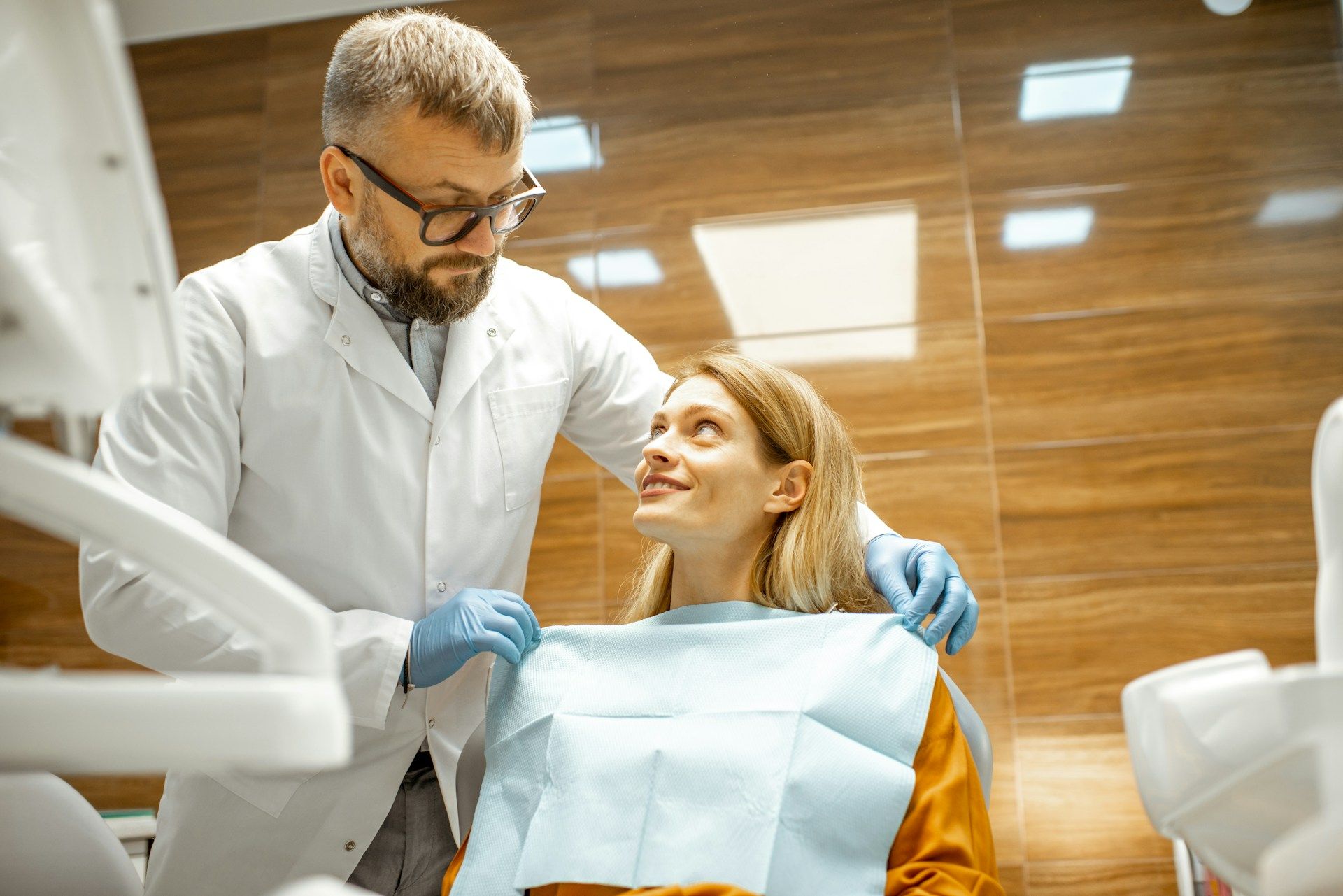
Dental sleep medicine is a focused part of dentistry that looks at how the jaw, tongue, teeth, and airway shape affect breathing during sleep. Instead of just reading numbers from a sleep test, we look directly at the structure that air has to pass through.
During a dental sleep medicine exam, we pay close attention to:
- Jaw position and how far back it sits
- Tongue size, posture, and any scalloped edges
- Narrow dental arches or a high, narrow palate
- Enlarged tissues in the mouth or throat
- Bite problems and wear patterns from clenching or grinding
These details often explain why your airway closes when you lie down and relax. When we combine this with your sleep study results, we can talk about treatment in a more personal way.
That might include:
- Custom oral appliance therapy instead of CPAP
- Combination therapy, where a small appliance lets you use lower CPAP pressure
- Positional strategies that work better because the jaw is supported
For many people in and around Boston who struggle with CPAP, especially in sticky summer weather or while traveling, this team-based approach can turn “I cannot tolerate CPAP” into “I finally have something I can live with.”
The CPAP Problem and Comfortable Alternatives
CPAP can be very effective when used correctly, but real life often gets in the way. We hear about problems like:
- Mask leaks and pressure marks on the face
- Claustrophobia or feeling trapped
- Dry mouth or nasal irritation
- Noise that bothers the person in bed or in the next room
- Awkward packing for flights, weekends away, or camping
Dental sleep medicine offers another path. Custom oral appliances look a bit like a clear retainer. They gently hold the lower jaw in a slightly forward position, which helps keep the tongue and soft tissues from falling back into the airway.
For many patients, this means:
- No mask or hose in a warm bedroom
- Easier packing for trips to the Cape, the mountains, or family visits
- Quieter nights for sleep partners
- A treatment they are more willing to use every night
Safety always matters. At our office, we work with sleep physicians to confirm whether an oral appliance is appropriate, coordinate follow-up testing, and check that the appliance is truly treating sleep apnea, not just quieting snoring sounds.
Missed Diagnoses When the Mouth Is Not Examined
When the mouth is not part of the sleep apnea conversation, important clues can be lost. Traditional sleep studies might label someone as mild, borderline, or “just snoring” and not offer much beyond general advice or CPAP that the person will never use.
Without a dental sleep medicine exam, it is easy to miss things like:
- A small or retruded lower jaw
- A narrow upper jaw or high palate
- A tongue that is too large for the available space
- Scalloped tongue edges from pressing against the teeth
- Worn, flattened teeth from clenching and grinding all night
These are signs that the airway is under strain. Even “simple snoring” can create stress on the heart and blood vessels, raise blood pressure at night, and leave people tired on morning commutes or during long school or work days.
Often, partners or family members are the first to notice the problem. They hear snoring in the next room, notice pauses in breathing, or see someone wake up gasping. Yet if the pathway stops at a one-time sleep study and a CPAP offer, many of these people never learn that a well-made oral appliance could be a strong option for them.
How Great Sleep Dental Fills the Sleep Care Gap
This is where our team at Great Sleep Dental steps in. We focus on guiding patients from “I think I have a problem” to a clear, realistic plan for better sleep.
The process usually includes:
- A careful review of your symptoms and medical history
- Coordination of at-home sleep testing when needed
- A detailed dental sleep medicine exam of your jaw, tongue, bite, and airway
- A discussion of options that fit your sleep study results and your daily life
If an oral appliance is right for you, we take digital impressions and measurements to design a custom device. Once it is ready, we fit it, adjust your bite, and show you how to use and care for it. Follow-up visits allow us to fine-tune comfort and make sure you can talk, drink water, and sleep without trouble.
We know people are busy, especially in mid to late summer when travel plans, visitors, and outdoor activities fill the calendar. Short check-in visits, careful timing around trips, and clear guidance help you get used to your appliance before daily routines pick up again.
Our team also works closely with sleep physicians and insurance providers so you are not stuck trying to bridge the gap between medical and dental care by yourself.
Take the Next Step Toward Quieter Boston Nights
If you have had a sleep study, turned down CPAP, or never been tested because the idea of a machine feels overwhelming, dental sleep medicine may open doors you did not know you had. When sleep data and a careful mouth and jaw exam come together, treatment can match your body and your lifestyle much more closely.
Quieter nights, easier travel, and steadier energy during the day are reasonable goals, not distant dreams. With the right mix of medical and dental care, effective sleep apnea treatment does not have to mean a lifetime of masks and machines.
Wake Up Rested With Personalized Sleep Apnea Solutions
If snoring, gasping, or poor sleep are disrupting your nights, our team at Great Sleep Dental is ready to help you find a comfortable, effective solution. Explore how our
dental sleep medicine options can fit your lifestyle and target the root cause of your sleep-disordered breathing. We will walk you through every step, from evaluation to custom oral appliance therapy, so you can feel confident in your care. To schedule an appointment or ask questions, please
contact us today.