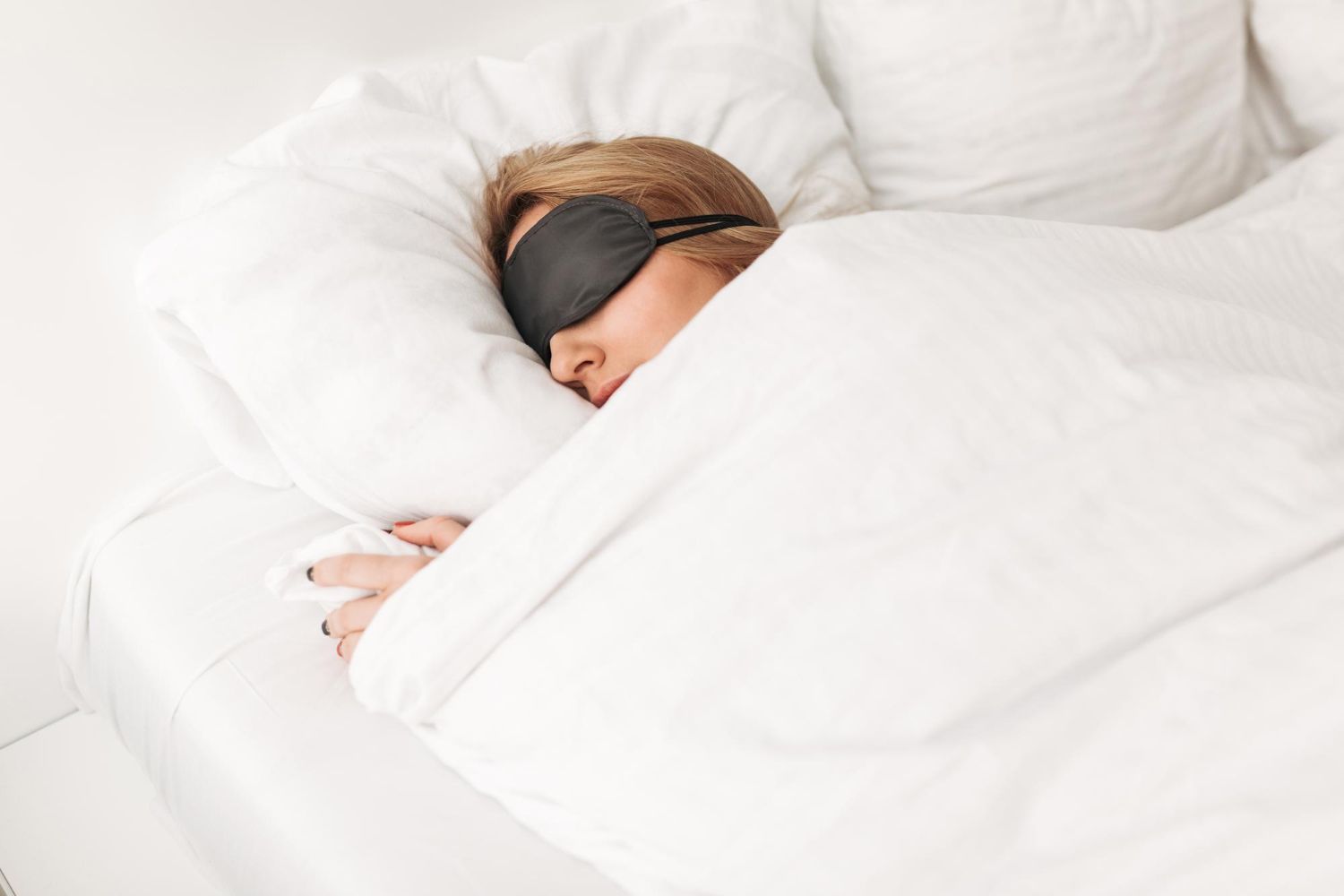
How AC Settings Affect Mouth Breathing, Dry Mouth, and Snoring in Boston
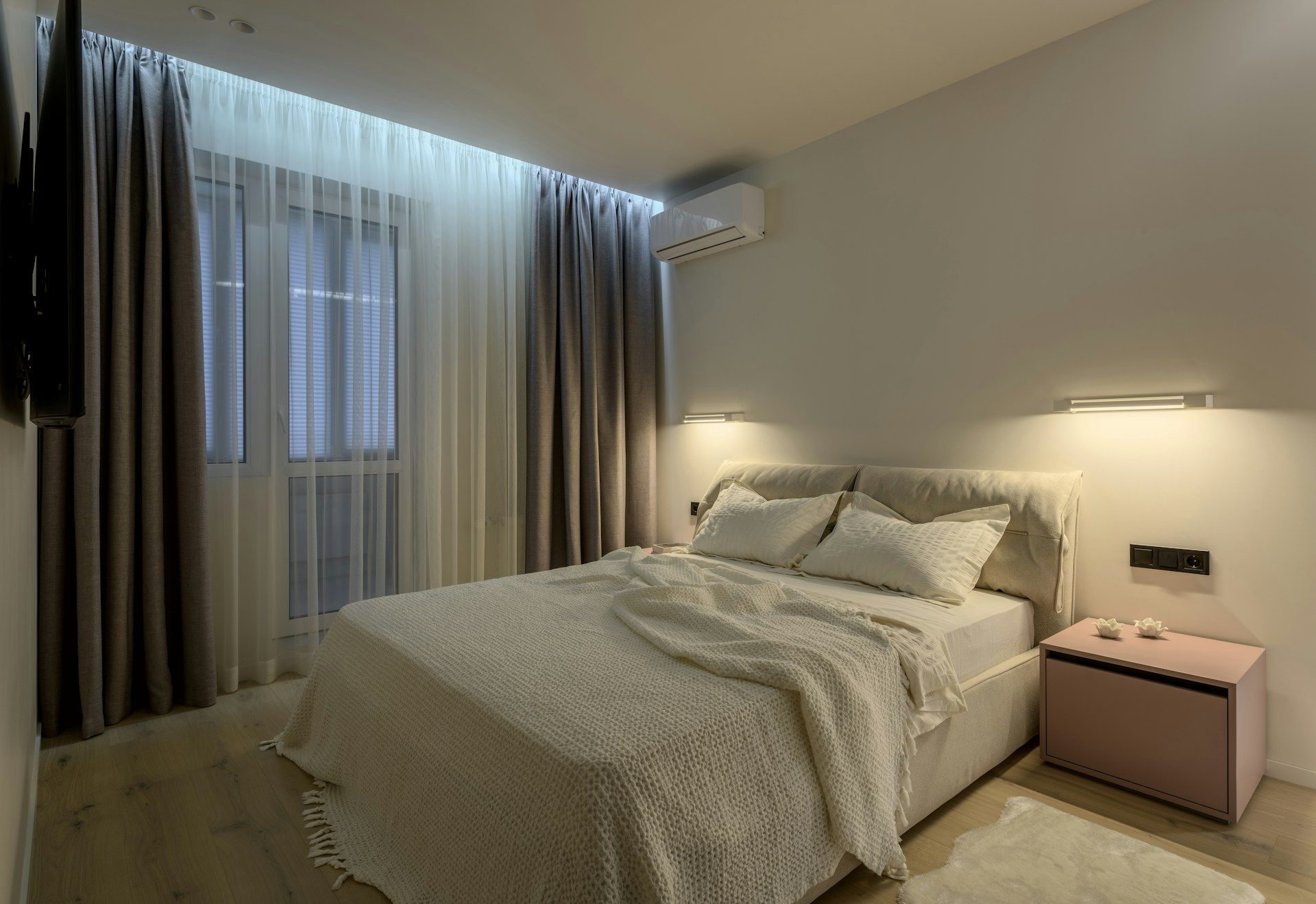
Cool-Weather Comfort Without the Snoring Tradeoff
A Boston bedroom can feel cozy on a chilly night, but the way we run our AC or mini-split can quietly work against our breathing. The room might feel perfect to our skin, while our nose, throat, and mouth are drying out all night. That dryness often leads to mouth breathing, snoring, and restless sleep.
As the weather cools and we close the windows, many of us keep using AC units or mini-splits for fine temperature control or in dehumidify mode. That mix of heated indoor air plus AC settings can affect sleep breathing in Boston more than we realize. In this article, we will walk through how temperature, fan mode, and humidity play a role, and how smarter settings can support quieter, more comfortable nights.
Our team at Great Sleep Dental focuses on sleep breathing and oral appliance therapy, and we see these AC-related problems show up every fall and winter in local bedrooms. Small changes to your indoor climate will not cure snoring or sleep apnea, but they can make a real difference in how your airway feels overnight.
How AC Settings Shape Your Nighttime Breathing
Cooler air often feels refreshing at bedtime, but air that is too cold or too dry can irritate the lining inside the nose. When the nose feels stuffy, dry, or burning, the body naturally shifts to mouth breathing, especially during sleep. That is where trouble begins.
When you breathe through your mouth instead of your nose at night, you are more likely to have:
- A dry mouth and sore throat in the morning
- Louder snoring as air vibrates soft tissues
- Worsening symptoms if you already have sleep apnea
Strong airflow from an AC or mini-split can speed up this drying effect. If your fan runs all night and blows toward your face, saliva evaporates more quickly, the back of your throat dries out, and you may wake up more often to sip water.
Sleep breathing in Boston is also shaped by big seasonal swings. Summers can be humid, which may clog the nose. Then fall and winter heat dries the indoor air, and in some homes, we keep using AC or dehumidify mode to keep the air feeling crisp. That mix can tilt you toward more mouth breathing unless you manage your settings with your airway in mind.
Finding the Right Bedroom Temperature for Quiet Sleep
Most people sleep best in a bedroom that is on the cooler side, often somewhere in the low-to-mid 60s °F. Cooler temperatures help the body relax, fall asleep faster, and stay asleep. But there is a tipping point. When the room is very cold and the air is dry, your nose and throat can react with congestion and irritation.
In many Boston homes during late fall, this is exactly what happens. It is cold outside, so the heat runs. The air gets dry. Then, to avoid overheating the bedroom, we might turn on the AC or mini-split to nudge the temperature back down. The mix of heated and cooled air can dry things even more.
To balance comfort and airway health, it helps to:
- Adjust your AC just a few degrees at a time, not in big jumps
- Avoid large differences between daytime and nighttime temperatures
- Keep the room slightly cool, and use blankets or layers instead of blasting AC or heat
- Notice how your breathing feels after you change settings for a few nights
Watch for warning signs that bedroom temperature is working against your sleep breathing in Boston. These can include waking with a sore throat, chapped lips, or a dry, sticky mouth. Your bed partner might also say your snoring seems louder when the room feels very cold or very warm.
Fan Mode vs. Dehumidify Mode on Your AC
Your AC or mini-split fan settings matter more than many people think. On auto fan mode, the fan turns on and off along with the cooling or heating cycle. On continuous fan mode, the fan runs all night long, even when the unit is not actively cooling.
Continuous fan mode can:
- Blow dry air across your face for hours
- Stir up dust and irritants in the room
- Increase evaporation of moisture from your nose and mouth
- Lead to more dryness, mouth breathing, and snoring
If the vent points directly at the bed, problems get worse. Your lips may part during sleep simply because the air feels strong on your face, and that opens the door to more snoring.
Dehumidify mode is another setting many Boston homes use during damp weather. This mode pulls moisture out of the air, which can feel great on sticky days. Used too often, especially once the outside air is already getting dry, it can lower humidity too much and increase dry mouth.
Practical tips include:
- Use auto fan at night, so the fan rests between cycles
- Aim vents away from the bed and especially away from your face
- Use dehumidify mode in moderation, and not as a default in dry seasons
Managing Humidity to Protect Your Airway
Humidity is simply the amount of water vapor in the air. Indoors, many people feel best with humidity in a middle range, roughly around 40 to 50 percent. When humidity drops much lower than that, the air can feel sharp and dry. When it gets much higher, the air can feel heavy and stuffy.
Low humidity tends to:
- Dry the mouth, lips, and throat
- Make the nose feel tight or crusty
- Lead to more mouth breathing and snoring
Very high humidity can:
- Make nasal congestion worse
- Make the room feel warmer and less restful
- Increase the feeling of stuffiness, which again pushes you toward mouth breathing
In Boston, summers are often muggy, then indoor heating in fall and winter can push bedroom humidity down. If you keep running AC or dehumidify mode as the seasons change, your indoor air can become even drier by November.
Some simple tools can help:
- Use a small digital hygrometer to check bedroom humidity
- If humidity is very low, consider pairing AC with a cool-mist humidifier
- Keep doors slightly open at night to reduce strong direct airflow in one small space
If you notice sudden changes in snoring, mouth breathing, or dry mouth right after you change your heat, AC, or dehumidify routine, humidity is a likely part of the problem for sleep breathing in Boston homes.
When Better AC Settings Are Not Enough
Even with careful control of temperature, fan mode, and humidity, some people still snore loudly or struggle to breathe at night. That is often a sign of an underlying sleep breathing disorder such as obstructive sleep apnea.
Red flags that go beyond AC and bedroom air include:
- Loud snoring most nights
- Choking or gasping during sleep
- Pauses in breathing that someone else notices
- Morning headaches or dry mouth despite good settings
- High blood pressure or teeth grinding linked with poor sleep
For people in the Boston area, our team at Great Sleep Dental focuses on sleep breathing problems like these. We support adults who snore or suspect sleep apnea by helping with sleep testing coordination, reviewing airway and jaw position, and providing custom oral appliance therapy as an alternative to CPAP for appropriate patients. When we combine smart bedroom air habits with targeted treatment, people often find that their energy, mood, and overall health begin to improve.
Start Sleeping Better With Personalized Dental Care
If you are struggling with interrupted rest, loud snoring, or daytime fatigue, we are here to help you breathe and sleep more comfortably. Our team at Great Sleep Dental provides tailored solutions for patients seeking support for
sleep breathing in Boston. We will evaluate your symptoms, explain your options clearly, and create a plan that fits your health needs and lifestyle. To schedule an appointment or ask questions, please
contact us today.