Seasonal Sleep Breathing Shifts Boston Dentists Can Detect

How Seasonal Shifts Quietly Change Your Nighttime Breathing
Seasonal changes in New England do more than change your wardrobe. They also quietly change the way you breathe while you sleep. In Boston, cold and damp falls and winters, allergy-heavy springs, and humid summers can all affect your nose, throat, and jaw in small ways that add up at night.
Cold air and indoor heat dry your airway. Spring pollen swells your nasal tissues. Summer humidity can change how you sleep and how your tongue and jaw rest. These shifts can lead to more mouth breathing, louder snoring, and lighter, broken sleep, even if you have never been told you have a sleep problem.
At our dental sleep medicine practice, we often see early changes inside the mouth before people notice their own symptoms. Subtle findings on the tongue, teeth, and throat can hint that seasonal shifts are affecting sleep breathing in Boston. When we connect those dots, adults can act sooner, prevent worsening sleep apnea, and find CPAP-free options that feel more comfortable and realistic long term.
Why Boston’s Seasons Disrupt Your Airway at Night
Living near the water, with big swings between seasons, can make your airway work harder than you think. Late fall and winter tend to be the most challenging months for many people.
Here is what often happens as the weather cools down:
- Indoor furnace heat dries the air, which can dry your nose and throat
- Dryness and frequent colds increase nasal congestion
- A stuffed nose pushes you toward mouth breathing when you sleep
- Mouth breathing relaxes tissues and raises the chance of snoring
Shorter days and early darkness after the time change can also throw off your body clock. People often stay up later on screens, then wake up early for work. Add holiday stress, less movement, and heavier comfort foods, and your body may carry a bit more weight around the neck and midsection. Even small weight changes can narrow the airway and make borderline sleep apnea more obvious.
New England weather can bring fast shifts in barometric pressure and damp coastal air. These swings may change how swollen your airway tissues feel and even which position is most comfortable for sleep. If you are right on the edge of having sleep apnea, these factors can tip you into more severe symptoms during certain seasons.
Hidden Dental Clues of Seasonal Sleep Breathing Changes
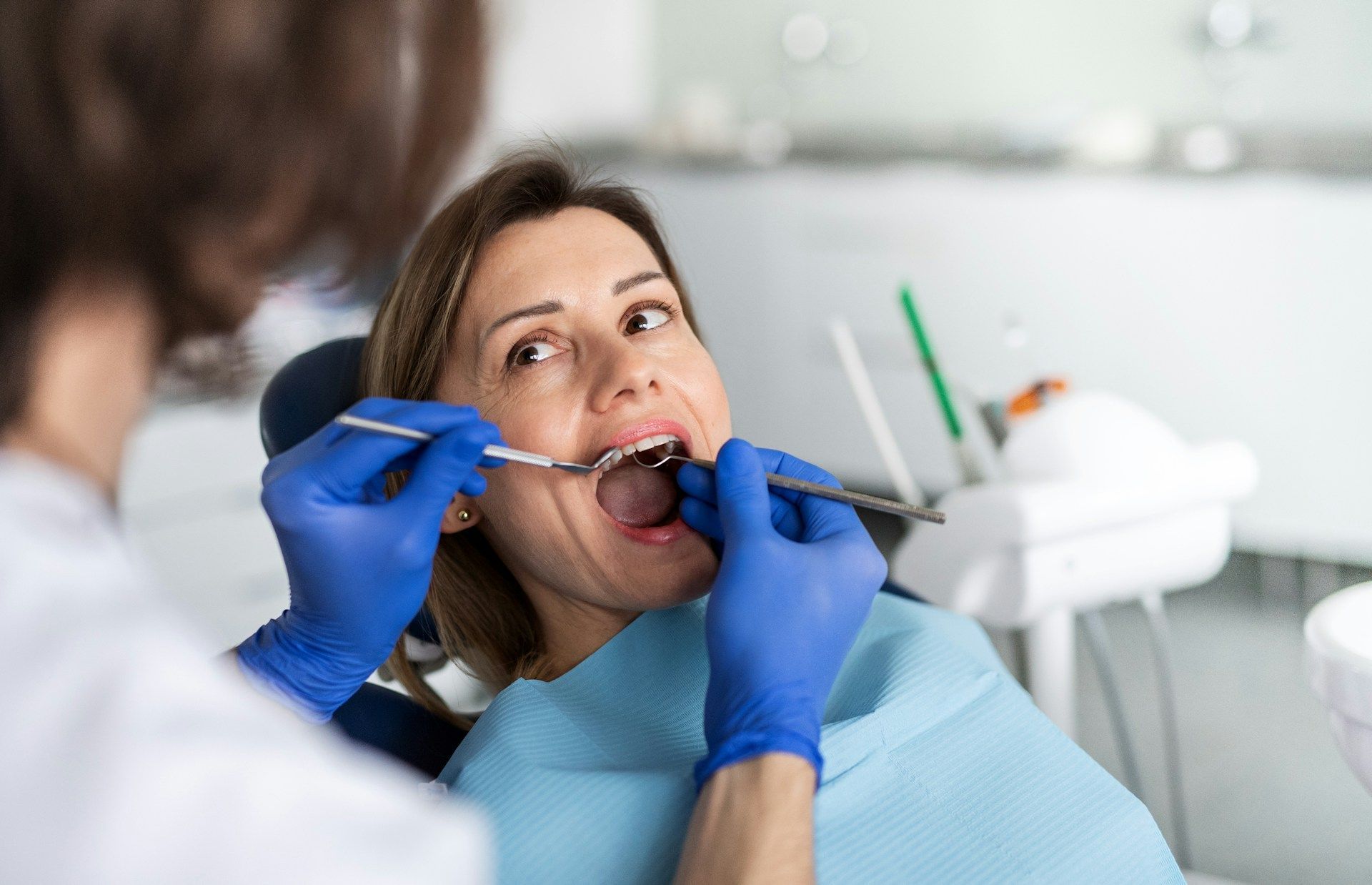
One of the most overlooked places to spot seasonal sleep breathing changes is the mouth. A focused dental sleep medicine exam looks beyond cavities and gum health to check for subtle signs of nighttime airway stress.
Some of the clues we watch for include:
- Scalloped or rippled edges on the tongue where it presses against the teeth
- Worn, flattened, or cracked teeth from nighttime clenching or grinding
- Red or irritated tissues on the soft palate or back of the throat
- Dry mouth signs that may point to chronic mouth breathing
We also pay attention to timing. In the Boston area, certain patterns show up again and again:
- More clenching and grinding around stressful holiday months
- Increased mouth breathing and throat irritation in the colder, drier season
- Swollen soft palate or tonsils during spring allergy flares
When these findings repeat at the same time each year, they can signal evolving sleep breathing in Boston adults. That might mean it is time for a sleep study, a recheck of an existing oral appliance, or early preventive changes so mild snoring does not slide into more serious apnea.
When Snoring Becomes a Seasonal Red Flag for Sleep Apnea
Not all snoring is sleep apnea, but changing snoring can be an important warning sign. Seasonal shifts can turn a quiet sleeper into a loud one, or turn soft snoring into something more alarming.
Snoring that deserves extra attention often:
- Starts or worsens in late fall or winter
- Flares after a bad cold or sinus infection
- Grows louder after weight gain or big schedule changes
- Comes with gasping or choking episodes at night
Other red flags include waking with a dry mouth, morning headaches, or feeling drained even after what seems like a full night of sleep. If you feel especially worn out during shorter, darker days, you may blame the season, but your airway might also be struggling at night.
Dental sleep specialists can work with medical teams to help coordinate home sleep testing or other studies. When we know that your symptoms change with the seasons, we can time those tests and interpret the results with your real life in mind. That often leads to treatment that fits both your airway and Boston’s shifting climate.
How Oral Appliances Adapt to New England’s Seasons
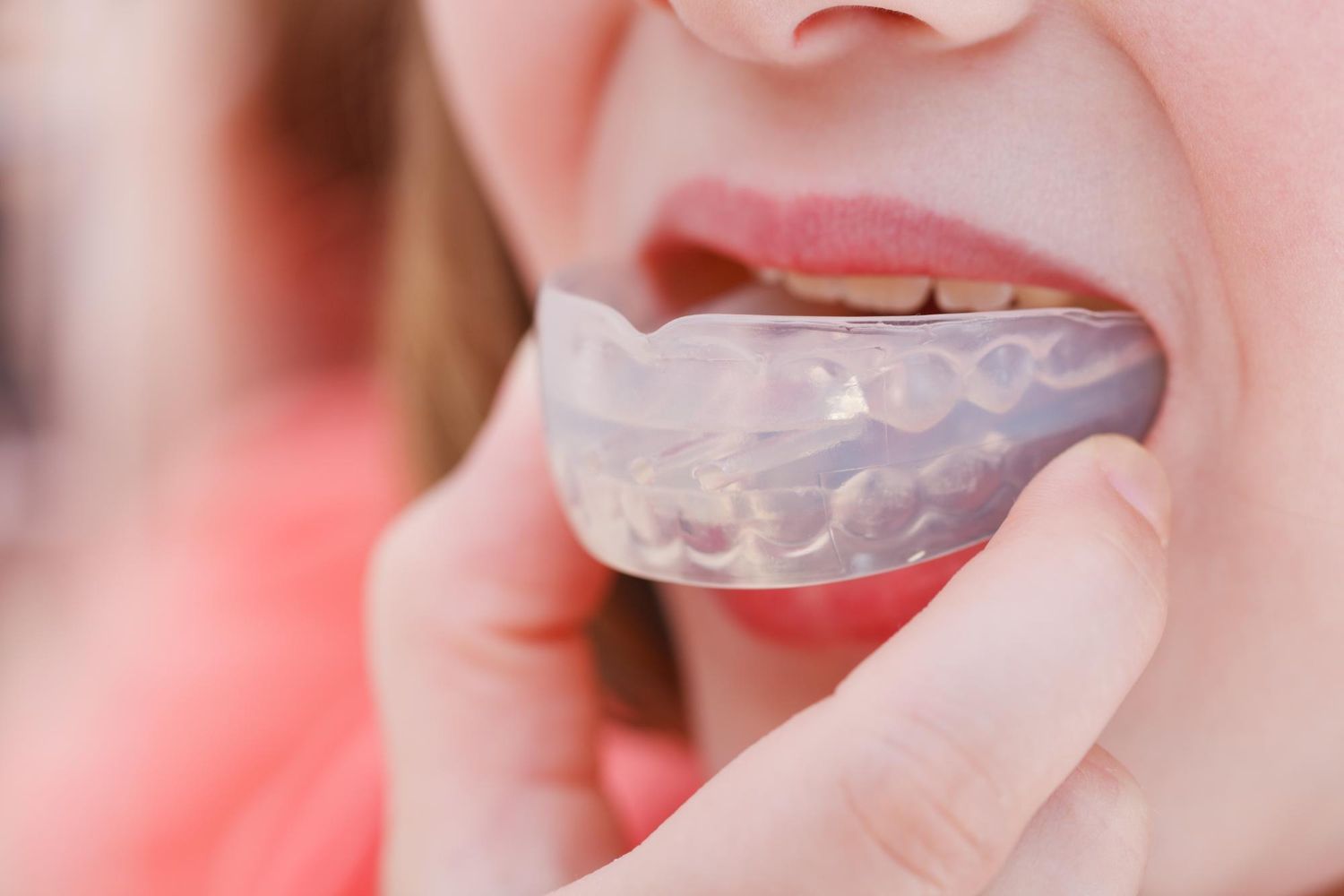
Custom oral appliances are a comfortable option for many adults with snoring or mild to moderate obstructive sleep apnea. These devices gently support the lower jaw and tongue to help keep the airway more open during sleep. One benefit is how adjustable they are as your body and seasons change.
We often think about:
- Making small advancement changes at the start of winter if congestion rises
- Planning ahead for holiday travel so therapy stays consistent on the road
- Reassessing fit and settings when spring allergies or weight shifts show up
- Fine tuning after colds or sinus infections have cleared
Compared with CPAP, oral appliances can feel easier during cold months. There is no cold air blowing on your face, and the device pairs well with nasal care routines that support moisture and comfort. They are also simple to pack in winter storms or busy holiday schedules, which helps many people stay on track with therapy even when life gets hectic.
Building a Year-Round Sleep Breathing Game Plan in Boston
Good sleep breathing is not just a winter project. In a place with four strong seasons, it helps to think about a full year cycle and how each part of the year affects your body.
Simple seasonal steps can support your airway:
- In winter, use bedroom humidification and gentle nasal rinses as recommended by your medical team
- In spring, work on allergy management and keep an eye on nasal and throat swelling
- In summer, aim for a cool, dark bedroom and stable sleep schedule even with longer days
- In fall, protect your routine during time changes and early darkness
On top of your own habits, a yearly or twice-yearly sleep-breathing checkup with a dental sleep medicine provider can be very helpful. At that visit, we can look at your tongue, teeth, and throat, review how your symptoms change through the year, and adjust an oral appliance if you wear one. For adults dealing with sleep breathing in Boston, building this kind of ongoing partnership makes it much easier to stay ahead of seasonal shifts and protect long-term health.
Take Control Of Your Nighttime Breathing And Sleep Better
If you are concerned about snoring, gasping, or disrupted rest, we are here to help you address
sleep breathing in Boston with personalized, clinically focused care. At Great Sleep Dental, we take time to understand your symptoms, evaluate your airway, and explain practical treatment options that fit your life. Reach out today so we can guide you through your next steps and help you wake up feeling more rested and clear-headed. If you are ready to schedule or have questions, please
contact us.