Seasonal Snoring in Boston: Dry Air, Allergies, and Treatment Adjustments
Why Fall and Winter Snoring Feels so Much Worse in Boston
Colder weather in Boston often brings louder snoring and more restless nights. Many people feel fine in the summer, then suddenly start snoring again as soon as the heat kicks on and the air dries out.
Seasonal snoring is real. Changes in temperature, humidity, indoor heating, and allergies can all affect the soft tissues in your nose and throat. When those tissues get dry or swollen, they vibrate more, so snoring gets worse and sleep apnea symptoms can break through treatment.
In this article, we will talk about how Boston’s fall and winter air affects your airway, and simple ways to adjust humidifiers, nasal care, and oral appliances so your snoring treatment in Boston keeps working all season long.
How Cold, Dry Boston Air Irritates Your Airways
Cold, dry air is tough on the delicate lining inside your nose and throat. When you breathe it in, night after night, a few things can happen.
The air can pull moisture out of your tissues. That dryness can lead to:
- Irritated or scratchy throat in the morning
- Swelling inside the nose and soft palate
- Thicker mucus that is harder to clear
Swollen, dry tissues are more likely to vibrate and collapse, which means louder snoring and a higher chance of blocked breathing during sleep.
In many Boston homes and apartments, forced-air heating makes this worse. The heat often blows very dry air through vents, especially in older buildings. When the air in your bedroom is too dry, your nose may feel blocked, so your body switches to mouth breathing. Mouth breathing dries your tongue and throat, which can:
- Increase snoring volume
- Cause a “cotton mouth” feeling
- Make you wake up more often at night
If you already use an oral appliance or CPAP, you might feel extra dryness when the season changes. People often notice:
- More saliva or drooling with an oral appliance, followed by dryness later in the night
- Morning soreness or tightness in the jaw, tongue, or throat
- CPAP users feeling like the air is too dry or harsh if humidifier settings are not updated for winter
Adjusting how you manage moisture can make a big difference in comfort, and in how well your treatment works.
Using Humidifiers and Nasal Care to Calm Seasonal Snoring
A simple cool-mist bedroom humidifier can help put some moisture back into dry winter air. When used correctly, it can soothe irritated tissues and reduce snoring from dryness.
Here are a few tips for using a humidifier safely:
- Place it a few feet from your bed, not right next to your face
- Aim for moderate humidity, not a “tropical” bedroom
- Use distilled or clean water if possible
- Empty and clean the tank often so mold and bacteria do not build up
Too much humidity can cause mold or dust mites to grow, which can trigger allergies. The goal is a comfortable middle ground where the air feels less harsh but not damp.
Nasal care is another simple nightly tool. A gentle routine can keep your nose open and less irritated:
- Saline rinses or sprays to wash away pollen, dust, and dry mucus
- Nasal gels or moisturizers to keep the lining from cracking
- Warm showers before bed to loosen congestion
Be careful not to overuse over-the-counter decongestant sprays. They can give quick relief at first, but using them too often can lead to rebound congestion that makes things worse.
We often find that people need a kind of “winter settings” review for their humidifier, nasal routine, and any CPAP or oral appliance they use. Small changes here can keep snoring treatment in Boston more consistent from night to night.
Fall Allergies, Indoor Triggers, and Nighttime Nasal Blockage
Once the leaves fall and windows close, many Bostonians notice new allergy symptoms. Even if spring pollen is gone, other triggers can build up.
Common fall and winter triggers include:
- Late-season pollen and leaf mold outdoors
- Dust mites in bedding, carpets, and upholstery
- Pet dander that sticks to furniture and fabrics
When homes are shut tight, these allergens tend to stay trapped inside. If you are sensitive, your nose can stay swollen and stuffy most of the time. At night, that congestion often forces you to breathe through your mouth.
Mouth breathing can:
- Dry out your throat and tongue
- Make snoring louder and harsher
- Worsen sleep apnea symptoms, even if you use treatment
To calm allergy-based congestion, it can help to:
- Use allergen-proof covers on pillows and mattresses
- Wash bedding often in hot water
- Vacuum with a high-efficiency filter and dust regularly
- Consider a high-quality air filter in the bedroom
If your nose stays blocked, it is a good idea to talk with a medical provider about allergy testing or medication options. Better control of daytime allergies usually leads to better breathing at night.
Keeping Oral Appliances Comfortable and Effective All Winter
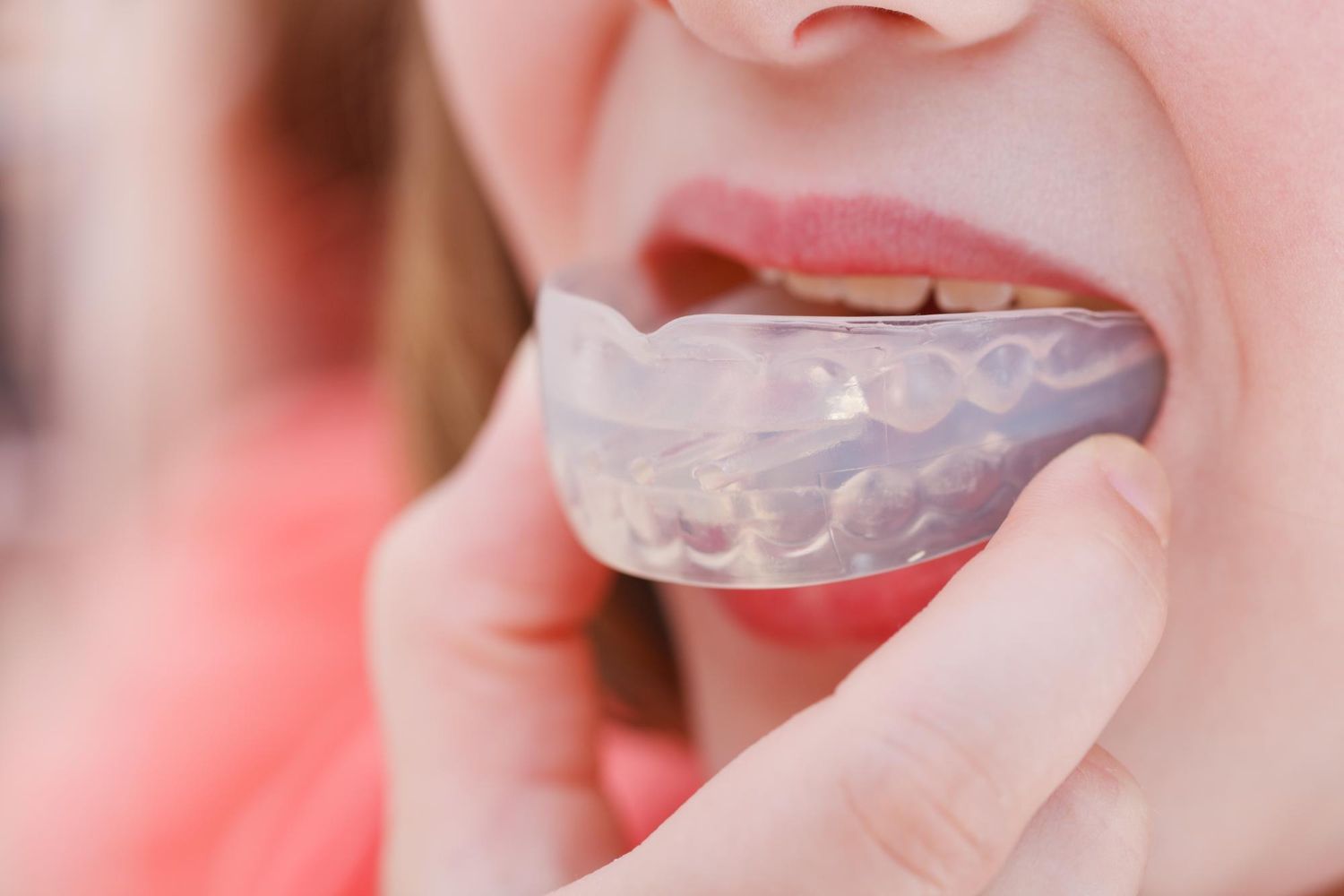
Oral appliances for snoring and sleep apnea can feel slightly different when the seasons change. Dryness, mild swelling, and more congestion can all affect how your appliance feels and works.
You might notice:
- Extra rubbing on the cheeks or tongue
- Sore spots that were not there before
- A sense that your jaw position feels “off” when you wake up
Seasonal appliance care can help keep things comfortable:
- Check your device often for any cracks, rough edges, or worn areas
- Follow your dentist’s directions if your appliance is adjustable, including when to tighten or loosen
- Clean and soak it as instructed so buildup does not irritate your gums or cheeks
- Use dentist-approved products for dry mouth if needed, not random sprays or lozenges that may not be safe for your device
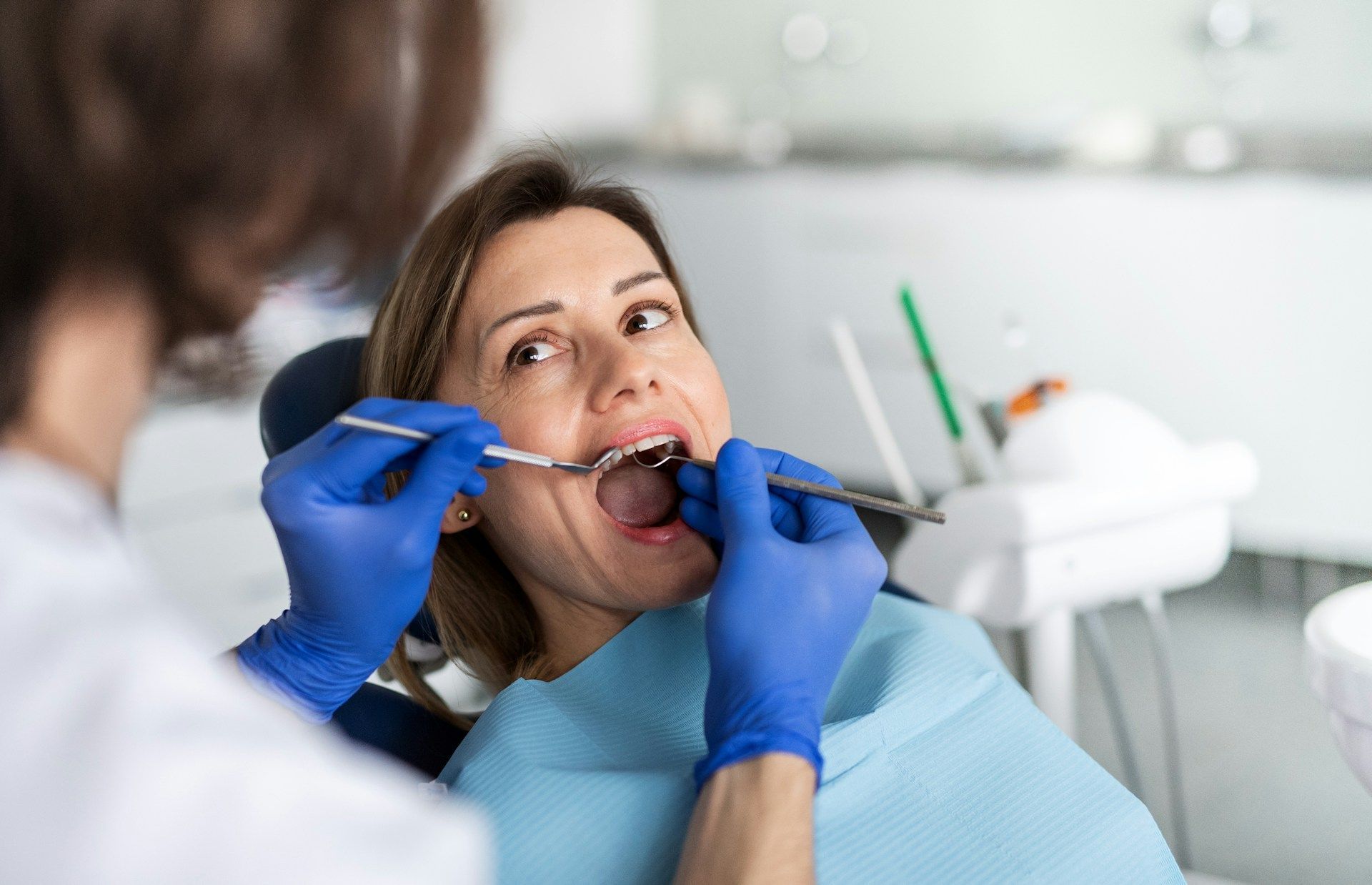
A proactive fit check with a dental sleep specialist can be very helpful. In our Boston-area clinic, we pay attention to how fall and winter conditions might be changing your airway, and we adjust oral appliance settings, moisture strategies, or partner therapies so your snoring treatment in Boston keeps doing its job.
When to Recheck Your Snoring Treatment in Boston
Seasonal changes are a good natural reminder to pause and ask: is my current snoring or sleep apnea treatment still working well?
It may be time for a fall or winter review if you notice:
- Snoring breaking through when it used to be quiet
- Waking up choking, gasping, or short of breath
- Morning headaches or dry mouth returning
- Feeling foggy, irritable, or very sleepy during the day
- Your bed partner leaving the room because of your snoring again
At a seasonal review with Dr. Annisya Bagdonas at Great Sleep Dental, patients can expect a slow, careful look at what has changed. This may include:
- Updating medical and sleep history, including allergy or sinus changes
- Examining nasal and throat tissues for signs of dryness or swelling
- Checking oral appliance fit, jaw position, and bite
- Talking through humidifier use, nasal care, and bedroom environment
If you also use CPAP, or split time between CPAP and an oral appliance, coordinated care with local sleep physicians can be helpful. Sometimes updated sleep testing is needed to confirm that your winter setup is still keeping your breathing stable through the night.
Seasonal snoring does not have to control your sleep. With thoughtful changes to moisture, nasal care, and oral appliance fit, many adults in the Boston area are able to rest more comfortably, even when the air outside is cold and dry.
Start Sleeping Better With Personalized Snoring Care
If snoring is affecting your rest or your partner’s, we are here to help you find a lasting solution. Our team at Great Sleep Dental offers customized
snoring treatment in Boston tailored to your airway, health history, and lifestyle. Schedule an appointment today so we can evaluate your symptoms, explain your options, and outline a clear plan for quieter, healthier sleep. If you are ready to take the next step, please
contact us to get started.