Recognizing Sleep Disorder Symptoms Your Boston Dentist Can Spot

Better Sleep Starts in the Dental Chair
Many people around Boston feel extra tired as the days get shorter. It is easy to blame long workdays, school stress, or the earlier sunsets. But sometimes that deep, dragging fatigue has another cause, like an undiagnosed sleep disorder.
Dentists spend a lot of time looking at the mouth, jaw, and airway. That close view can reveal early warning signs of snoring and sleep apnea that you might never notice on your own. As a sleep-focused dental practice, we connect what we see in your mouth to how you breathe and sleep at night.
In this article, we will walk through common clues of sleep problems that can show up in a dental exam, how they relate to conditions like obstructive sleep apnea, and ways a sleep disorder dentist in Boston can help you feel more rested and clear-headed, through every season of the year.
Subtle Sleep Disorder Clues Your Dentist Can See
Sleep disorders do not always show up as loud snoring right away. Often they start with small changes in the teeth, jaw, and soft tissues that your dentist can see during a regular visit.
One of the most common signs is nighttime grinding, also called bruxism. On your teeth, we may see:
- Worn down or flattened biting surfaces
- Tiny chips or cracks, especially on front teeth
- Notches near the gumline
You might also notice:
- Sore or tight jaw muscles when you wake up
- Morning headaches around the temples
- Teeth that feel sensitive or “tired”
Grinding is often linked with sleep-disordered breathing. When your airway narrows during sleep, your body works harder to breathe. That effort can trigger clenching and grinding as your jaw shifts trying to keep the airway open.
We also look closely at your tongue, throat, and the shape of your palate. Subtle findings can point to airway problems, such as:
- A scalloped tongue, where the edges look wavy or pressed against the teeth
- Red, irritated tissues at the back of the throat
- A high, narrow palate that crowds the nasal and oral space
Most people never see these areas well in a mirror, so they do not realize anything is off. To a trained eye, these can be clues that your airway may be smaller or more easily blocked when muscles relax during sleep.
Dry mouth and gum problems can be another big red flag. Signs include:
- Dry, sticky feeling in your mouth when you wake up
- Red, puffy, or inflamed gums
- Mouth breathing during the day or at night
Mouth breathing, especially paired with snoring or unrefreshing sleep, often suggests that the nose and airway are not working the way they should. A sleep disorder dentist in Boston can connect these dots and suggest next steps, including medical evaluation when needed.
When Snoring Is More Than Just a Nuisance
Not all snoring is serious. Occasional, quiet snoring that only shows up after a long day or when you sleep on your back may not signal a deeper problem. But certain patterns are more concerning and can point to obstructive sleep apnea.
Snoring may be related to a sleep disorder if:
- It is loud and happens most nights
- A partner hears pauses in breathing
- There are gasping, choking, or snorting sounds
- You wake up struggling for breath
During an exam, we look at how your jaw, tongue, and airway space work together. A small lower jaw, large tongue, or crowded throat can all narrow the breathing space. When you lie down to sleep, gravity and relaxed muscles can let the tongue and soft tissues fall back, blocking airflow and creating noisy snoring.
We also ask about daytime and nighttime symptoms that often travel together with snoring, such as:
- Dry mouth or sore throat in the morning
- Frequent nighttime bathroom trips
- Waking up feeling unrefreshed, even after a “full” night of sleep
- Brain fog, irritability, or low patience
- Trouble focusing at work, in class, or during long drives
As schedules get busier and stress rises, these symptoms can snowball. Many people blame age, workload, or coffee habits, when the real issue is poor oxygen and broken sleep.
How a Sleep Disorder Dentist in Boston Can Help
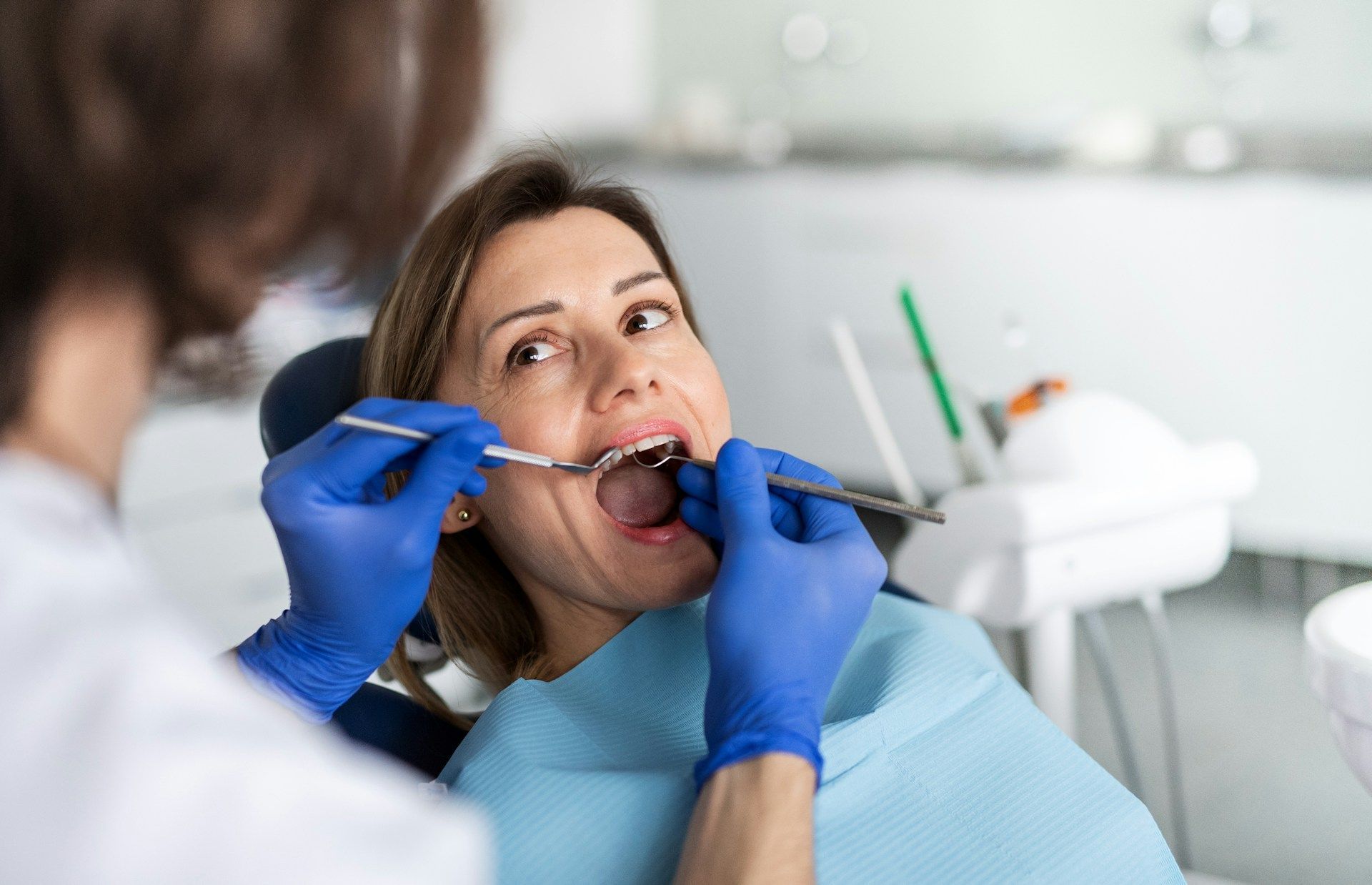
When you come to a sleep-focused dental practice, the visit looks a bit different from a standard checkup. We still care about cavities and gum health, but we also look at how you breathe, sleep, and feel during the day.
A thorough consultation usually includes:
- A detailed medical and sleep history
- Questions about snoring, breathing pauses, and sleep quality
- A focused dental exam that looks for wear patterns, jaw tension, and tongue posture
- An airway assessment to see how much space you have for comfortable breathing
If your history and exam suggest a possible sleep disorder, the next step is proper testing. This might be a home sleep test that you do in your own bed or an in-lab sleep study in a medical setting. We work with physicians and sleep specialists so that your diagnosis is accurate and your treatment is safe and coordinated.
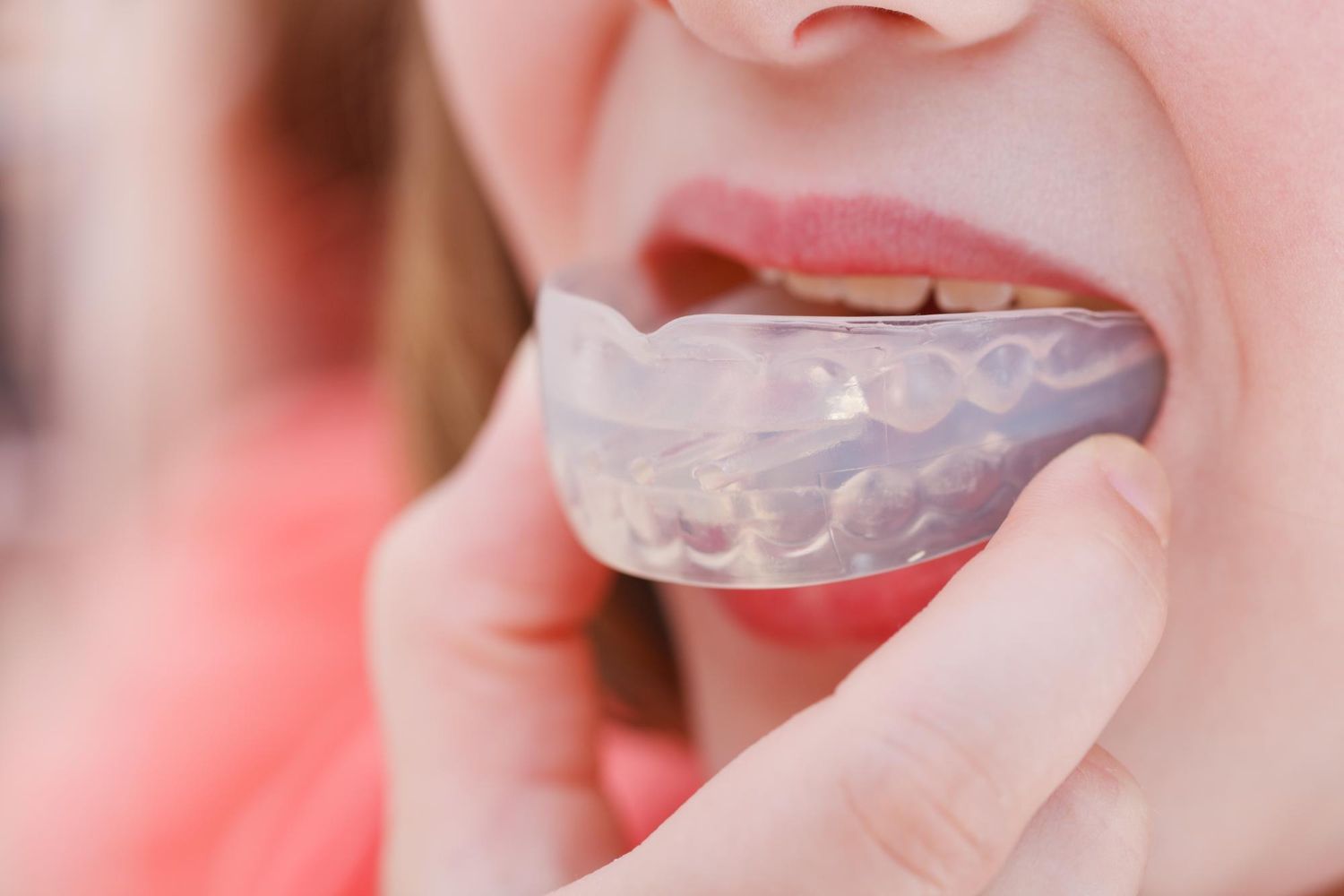
For many adults with obstructive sleep apnea or heavy snoring, oral appliance therapy can be a helpful option. This is a small, custom-made device that fits over your teeth, similar to a night guard. It gently holds your lower jaw in a slightly forward position, which helps keep the airway more open during sleep.
People often like oral appliances because:
- They are quiet and small
- They are easy to pack for travel
- They can feel more comfortable than a mask-based device for some patients
- They still let you talk and sip water before bed
For those who have trouble with other treatments or who travel often, this can be a practical, low-profile way to support better breathing, especially during cool months when congestion and colds can make nighttime airflow harder.
Whole-Body Health Benefits of Treating Sleep Disorders
Sleep is not just about feeling rested. When breathing is disturbed night after night, it can place stress on your heart, blood vessels, and metabolism. Untreated sleep apnea and chronic sleep disruption are linked with:
- Higher blood pressure
- Increased risk of heart and circulation problems
- Challenges with blood sugar control and weight management
- Weaker immune response and more frequent illness
These issues matter all year, but they can feel especially noticeable during cold and flu season, when your body needs all the support it can get.
Better sleep can also make a big difference in your daily life. When your brain gets steady oxygen and deeper rest, many people notice:
- More steady mood and fewer emotional ups and downs
- Sharper memory and clearer thinking
- Easier focus for reading, meetings, and complex tasks
- More energy for family, friends, and hobbies
From a dental standpoint, treating sleep-disordered breathing can also calm clenching and grinding that are driven by airway stress. That helps protect:
- Your natural teeth from cracking and wear
- Crowns, fillings, and other dental work from breaking
- Your jaw joints from pain and strain
Caring for your airway often means you are also caring for your smile and long-term oral health.
Take Charge of Better Sleep Before Winter Sets in
If you see yourself in these signs, you are not alone. Many people live with snoring, morning headaches, grinding, or daytime fatigue for years before anyone mentions sleep apnea. Dentists are in a unique spot to spot the early clues and guide you toward answers.
Simple steps you can take now include:
- Paying attention to how rested you feel when you wake up
- Asking a partner, family member, or roommate what they notice about your snoring or breathing
- Keeping a short sleep and symptom journal for a week, including naps, energy dips, and headaches
If concerns come up, share them at your next dental visit or ask for time to talk specifically about sleep. A sleep disorder dentist in Boston who understands airway-focused care can work with your medical team to explore testing and treatment options, including oral appliances when appropriate.
Addressing sleep problems before the darkest, coldest months fully arrive can help you move through winter with more energy, better focus, and stronger long-term health. When your breathing and sleep improve, your whole body, including your teeth and jaw, can finally start to feel the difference.
Take the First Step Toward Restful, Restorative Sleep
If you are ready to address snoring, sleep apnea, or restless nights, we are here to help you find answers and relief. As a trusted
sleep disorder dentist in Boston, Great Sleep Dental can evaluate your symptoms and recommend personalized treatment options. Reach out today through our
contact page so we can schedule a consultation and help you move toward healthier, more restorative sleep.